California Electricity Costs Hit Double the National Average as Renewable Mandates Tighten
Rising prices correlate with increased renewable energy requirements, while the state prepares to replace aging gas plants with battery storage.
By Hassan Lawson ·
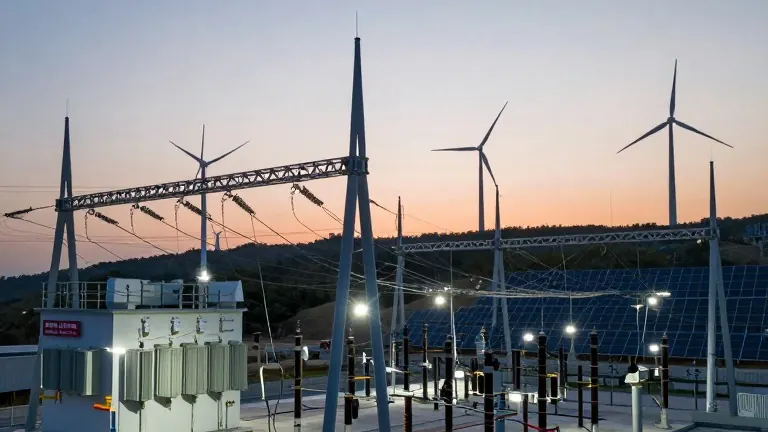
California residents pay roughly twice the national average for electricity, a gap that has widened as the state enforces strict renewable energy targets. Data from the Energy Information Administration shows this price premium now stands at approximately 100%, up from a 40% to 50% difference before the Renewable Portfolio Standard, or RPS, was implemented. The cost increase tracks the growing share of power generated by state-favored sources such as solar and wind.
The RPS mandates that 60% of California's electricity must come from these renewable resources by 2030. That requirement rises to 100% by 2045. While the law excludes nuclear power from its definitions, a source that produces fewer lifetime emissions than solar and comparable amounts to wind, it counts intermittent solar and wind generation. This distinction matters because solar and wind only produce power when weather conditions allow. Utilities must maintain expensive backup systems to ensure supply meets demand when the sun sets or the wind dies down.
The California Energy Commission has decided not to renew contracts for three aging natural gas generation units located in Ormond Beach, Alamitos, and Huntington Beach. These contracts expire at the end of December 2026. The commission prefers utility-scale lithium-ion battery energy storage systems, or BESS, as the new backup source. Battery technology has improved, but it remains functionally limited. Recent fires at the Moss Landing and Gateway energy storage facilities illustrate the risks associated with this infrastructure.
Whether the backup power comes from natural gas or batteries, the requirement for additional resources drives up costs for customers. Advocates for wind and solar often cite the low price of generation itself but ignore the expense of the backup systems needed to balance the grid. This omission helps explain why retail pricing trends do not match the claims that these regulations lower consumer costs. The premium continues to grow as the share of renewable generation increases.
Transmission infrastructure presents another financial challenge. Solar and wind farms are rarely located near population centers. They are often sited in specific areas where natural conditions are favorable, which can be far from where consumers use electricity. Building and maintaining longer transmission lines to move this power requires significant investment. These costs are frequently excluded from arguments that renewable energy is cheaper than traditional sources.
The expansion of transmission lines through fire-prone terrain adds physical risk to the financial burden. Longer lines can increase the likelihood of ignition compared with shorter routes. If new lines are built without spending extra on hardening, careful routing, and vegetation management, they may contribute to wildfire risk. This creates a cycle where environmental goals require infrastructure that can introduce new environmental hazards if not managed with additional costs.
The way California manages its RPS program also inflates expenses. Utilities must purchase Renewable Energy Credits, or RECs, to verify their compliance. The state imposes strict limits on which credits a utility can buy. These restrictions drive up the cost of compliance. The policy also raises constitutional questions regarding interstate commerce. West Virginia is currently suing Pennsylvania over similar closed-border REC policies, a legal battle that mirrors the issues facing California.
Wayne Winegarden, a senior fellow in business and economics at the Pacific Research Institute, notes that high energy costs are a primary driver of affordability concerns in the state. He argues that reforming the RPS allows utilities to manage expenditures more effectively. This would lessen the burden on families. Winegarden points out that states with and without RPS policies have both seen declines in greenhouse gas emissions since the national peak in 2007. This suggests California can continue reducing emissions without the specific cost structure of the current mandate.
Source: Pasadena Star-News
More Business · Scam Watch · Report a business · Got a Story?