FCC Bans Two Devices: Huawei Chip Rules Change Enforcement
The agency blocked a dashcam and video transmitter under a new rule that targets the silicon inside products rather than the brand name.
By Hassan Lawson ·
The Federal Communications Commission has barred two consumer electronics from US sale and marketing for the first time under a new rule that looks at the chips inside a product rather than its external branding. The agency identified a dashboard camera and a wireless video transmitter as the first targets of this silicon-based enforcement approach. Both devices were rejected because they contain a specific processor linked to Huawei.
The core of the ban rests on a HiSilicon Smart Vision system on a chip, or SoC. HiSilicon operates as a subsidiary of Huawei, which appears on the FCC's Covered List of entities deemed a risk to US national security. This new regulatory method aims to close a previous gap where rebranded items using parts from restricted Chinese manufacturers could still enter the market. By focusing on the silicon, the FCC avoids having to track every individual model or label variation of a product.
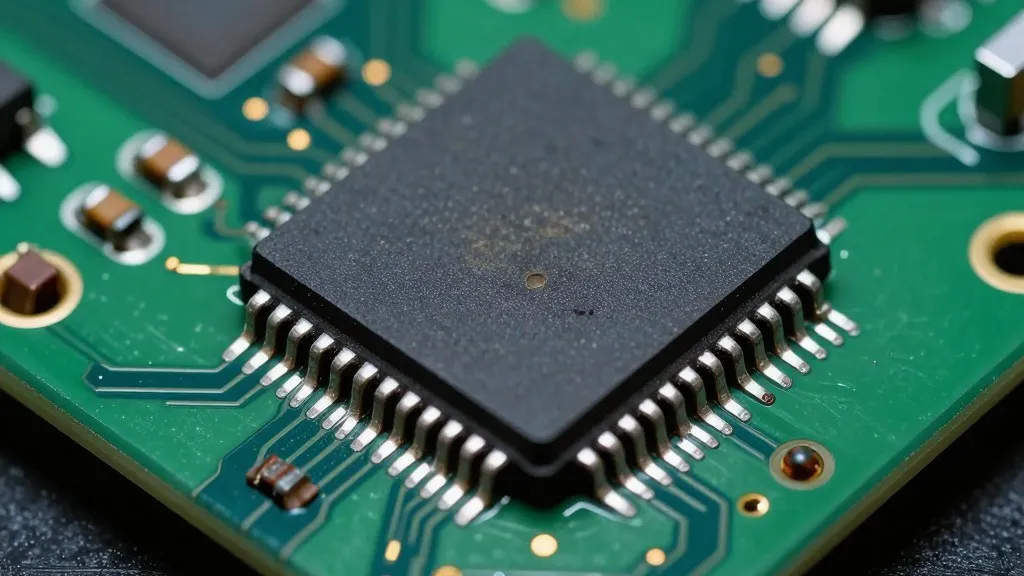
The specific chip involved is the Hi3516CV610 UHD Smart Vision SoC, designed for surveillance applications like vehicle dashcams and wireless CCTV systems. The component integrates WiFi, Ethernet, video encoding hardware, and an Arm Cortex-A7 processor. It also includes a neural processing unit, or NPU, which handles artificial intelligence functions. The FCC cites this NPU as the key element triggering the ban because it contains logic-bearing smart components made by a listed entity.
Consumer-facing features of the chip rely on an Intelligent Video Engine that runs on the NPU. According to the chip's data sheet, this engine uses a built-in multimodal large model and transformer feature acceleration. The AI tracks relationships between objects across video frames, maintaining focus on subjects such as pets, faces, human figures, and parcels. This capability allows a camera to distinguish between a pet leaving the frame and an unknown person taking a package left by a courier.
The FCC argues that the same logic-bearing AI could serve less benign purposes, such as surveying US citizens and logging faces for foreign surveillance. Huawei has previously faced scrutiny over its chip supply chains. In one instance, the company used shell companies to have TSMC manufacture AI chips despite US requests to stop supplying certain Chinese customers. These past controversies have contributed to other product bans in the United States. Public reaction to the new rule has been mixed, with some viewing it as protectionism while others support targeting the underlying hardware to manage complex product variants.
Source: Tom's Hardware