Lakshmi Aguirre warns Spain's daily set lunch is fading
The average price of the menú del día has reached 14.70 euros, and daily servings have dropped by four million since 2009.
By Alexander Novak ·
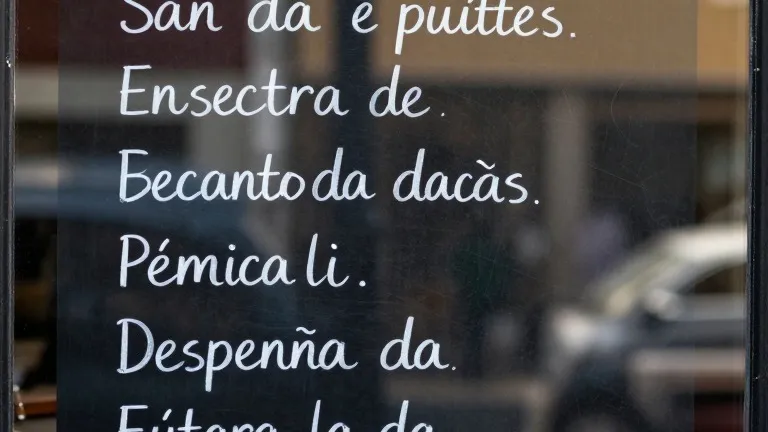
The average price of Spain's daily set lunch, known as the menú del día, has risen to 14.70 euros. Food journalist Lakshmi Aguirre argues in a new book that the tradition is facing structural decline, even though it remains a staple of working life. Her analysis suggests that while the menu is not extinct, it is losing ground to faster eating habits and rising costs for restaurant owners.
Aguirre, who wrote 'Menú del Día: Everyday Scenes of a First Course, a Second Course and Pudding,' states that the habit is in trouble. She notes that approximately four million of these meals are still served on weekdays. This number represents a decrease from previous decades, a trend she attributes to a combination of economic pressure and shifting consumer preferences. The menu, which typically includes a starter, a main course, and a dessert or coffee, has been a fixture in Spanish restaurants for over fifty years.
The origins of the menú are rooted in political strategy rather than culinary tradition. It was created in the mid-1960s by Manuel Fraga, the information and tourism minister under Francisco Franco. The goal was to demonstrate to foreign tourists that Spain had recovered from the post-civil war hunger. Regulations mandated specific components, including a soup or starter, a choice of egg, fish, or meat with a side, and a fruit or cheese-based dessert. Prices were fixed between 50 and 250 pesetas, and the included wine had to be at least 12% alcohol.
In the early 1970s, the term was changed to reduce its association with tourist pricing. This shift helped the menu become a standard offering for local workers. Aguirre observes that many Spaniards are surprised to learn of its political origins. She says, 'It says a lot about us Spaniards; we forget very quickly.' She describes the menu as a reflection of the country's social evolution, noting that nostalgia for the format is increasing as it becomes less common.
Several factors are contributing to the menu's decline. Many workers now prefer quick lunches, such as packed food or microwave meals, due to time constraints. Small, family-run restaurants struggle to maintain rotating daily choices because of higher energy and food costs. Some establishments have replaced the full set menu with a single dish of the day. Others are adapting their offerings to reflect Spain's diverse population, adding Latin American staples to their chalkboards.
Aguirre accepts these changes as part of the menu's natural evolution. She argues that the format has always mirrored the society that consumes it. For her, the value of the menú lies in its function as a social space. She describes it as a meeting point where families with limited budgets can eat out and people living alone can find company. She adds that the privilege of the menu is not just affordability, but the time it allows people to enjoy a meal.
The book includes Aguirre's own criteria for identifying a good menu venue. She looks for simple dishes, a changing menu, and fresh ingredients like non-frozen chips. She suggests that a chorus of regulars and a chalkboard free of trendy terms like avocado or truffle are positive indicators. She even gives bonus points if the owners' child is doing homework at a table in the back.
Source: The Guardian