Retired general outlines limits of new Iran strikes
Joseph Votel argues that additional bombing will degrade targets but fail to resolve the conflict without defined diplomatic goals.
By Hassan Lawson ·
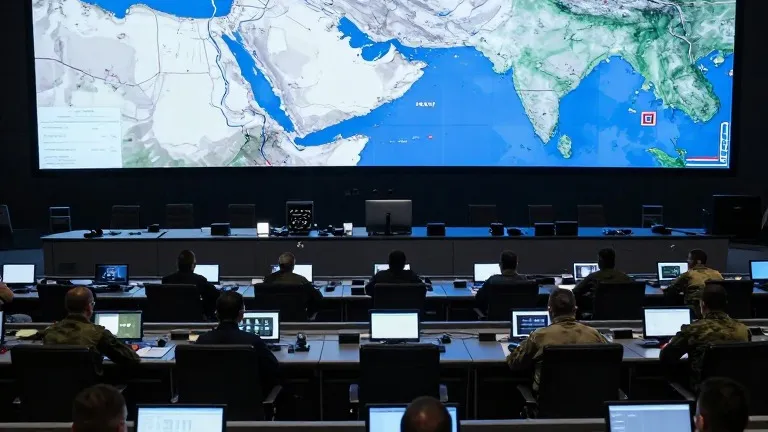
Retired Army Gen. Joseph Votel told NPR's Leila Fadel that a new wave of American and Israeli attacks on Iran will likely weaken Tehran's military capacity but will not conclude the war.
Votel commanded U.S. Central Command from 2016 to 2019, overseeing operations across the Middle East. He now chairs the Combating Terrorism Center at West Point. He noted that many potential targets have already been struck previously, and Iran has demonstrated the ability to rebuild those assets.
According to Votel, fresh strikes serve primarily to buy time and punish the Iranian government. He observed that these actions have not yet altered Tehran's strategic calculations regarding the trajectory of the conflict. He argued that the U.S. must first define a specific end state for the war before deploying further force.
Votel identified two primary goals for ending the conflict: resolving the nuclear enrichment issue and reopening the Strait of Hormuz. He stated that Washington needs to clarify how it will declare the war finished. In his view, military force is only one component of the necessary strategy. He advocated for a combined approach using economic, diplomatic, and informational pressure alongside military action.
He pointed to the financial sector as an area of visible progress. Votel cited reports indicating that Iran's ghost fleet has exhausted its oil reserves due to sanctions and blockades. While he acknowledged that this economic pressure takes time to fully materialize, he described the movement as definite.
The general described the U.S. objectives as difficult to interpret publicly. He said the focus on reopening the Strait of Hormuz is intended to facilitate oil commerce and lower domestic gas and diesel prices. He also highlighted the threat posed by Iranian proxies, including the Houthis, though he maintained that Hormuz and enrichment remain the central concerns.
Regarding military readiness, Votel assessed that U.S. offensive power in the region is substantial. He stated that the capacity to strike is not in question. However, he identified missile defense as a potential constraint. He noted that defensive interceptors protecting U.S. forces and regional partners face heavy pressure, making defense the area requiring the most attention.
Source: NPR