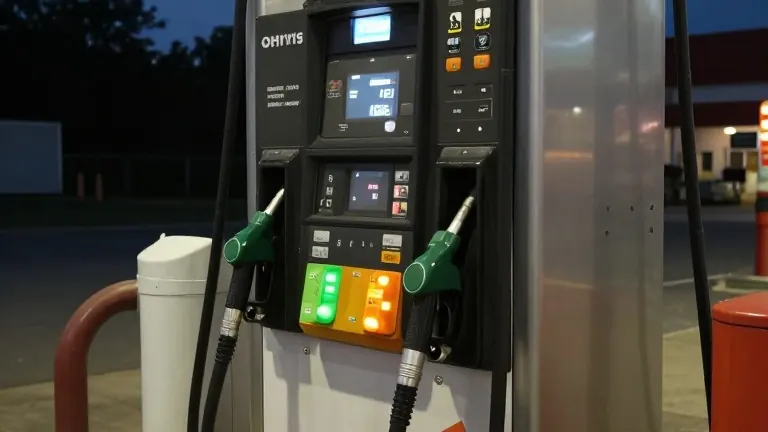
Diesel prices exceed $8.40, forcing Inland Empire businesses to pass costs to shoppers
Record fuel costs in the Inland Valley are triggering new surcharges for consumers as local businesses absorb higher distribution expenses.
By Hassan Lawson ·
Fuel costs in the Inland Valley have reached record levels, with diesel prices now topping $8.40 per gallon. This spike is forcing local businesses to adjust their pricing models to cover increased distribution and logistics expenses.
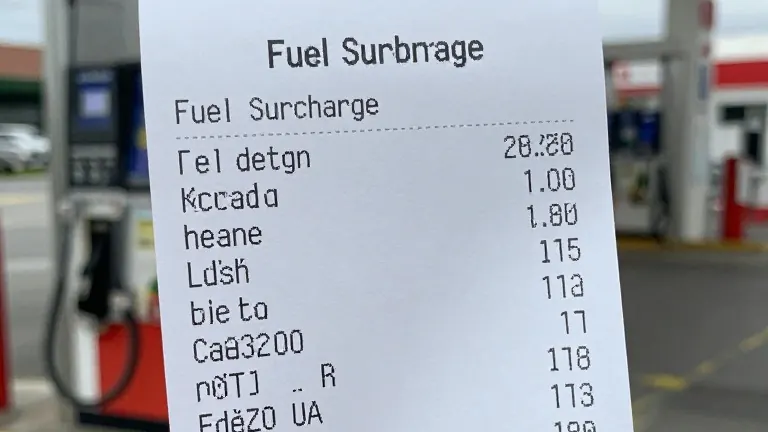
Business owners are passing these higher operational costs directly to consumers through fuel surcharges. The measure appears in the form of added fees on delivery services and retail goods that rely on heavy transportation. Shoppers in the region are seeing these charges on invoices and receipts for the first time in a long period.
The price jump represents a peak for diesel in the area. The fuel, which powers trucks and large vehicles, is essential for moving goods across the region. When the cost of this energy source rises, the expense of transporting inventory increases proportionally for distributors.
Local retailers and service providers report that they do not have enough margin in their current prices to absorb the difference. Consequently, they have added specific line items to customer bills. These surcharges are calculated based on the volume of fuel used to deliver the product or service to the customer's location.
The impact is most visible in sectors that depend on frequent vehicle movement. Grocery stores, home improvement centers, and delivery-only businesses have been among the first to implement the changes. Customers report seeing a flat fee or a percentage-based addition to their total purchase amount.
Businesses state that the surcharge is a temporary measure tied to current market conditions. They indicate that the fee will remain in place as long as diesel prices stay above a certain threshold. Some operators are reviewing their logistics routes to reduce fuel consumption, but many say the price per gallon is the primary driver of the cost increase.
The rise in fuel costs also affects the price of goods that have already been manufactured. Manufacturers pass their higher shipping costs to distributors, who then pass them to retailers. This chain reaction means that even items sitting on a shelf may carry a higher price tag due to the energy required to move them from the factory.
Consumers in the Inland Empire are adjusting their spending habits in response to the new fees. Some are opting for in-store pickups to avoid delivery surcharges, while others are consolidating purchases to minimize the number of separate delivery fees. Others are comparing prices more closely to find vendors that have not yet raised their rates.
The situation is being monitored closely by local business associations. Leaders are advising members to communicate the reason for the surcharge clearly to customers to maintain trust. Transparency, they argue, helps consumers understand that the extra cost is a direct result of energy prices rather than a change in profit margins.
Diesel prices in the Inland Valley have crossed the $8.40 mark, a level that triggers automatic surcharge clauses in many commercial contracts. Businesses are now billing customers for the fuel used in service and delivery, a practice that has become standard in the region as the cost of energy remains at its highest point.
Source: Inland Valley Daily Bulletin
More Business · Scam Watch · Report a business · Got a Story?