Gas prices hit four year high
European wholesale gas costs reached levels last seen in 2022 as winter storage levels dropped to their lowest point in over a decade.
By Lucia Orlov ·
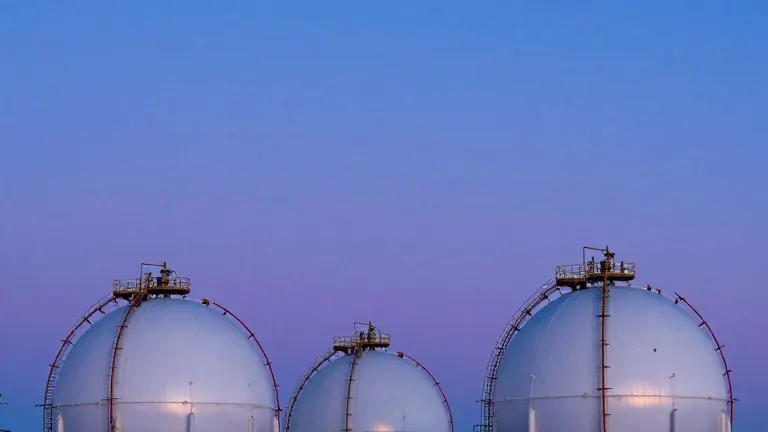
European householders face higher heating costs this winter as wholesale gas prices climbed to their highest level since 2022. Traders increased prices on Monday following a drop in temperatures across the continent and rising concerns about supply availability ahead of the cold season.
The price for gas reached 97 euros per megawatt hour on Monday. In the United Kingdom, the month ahead contract rose by 4 percent to 240 pence per therm. This marks the highest point for the contract since December 2022, a period when prices surged after Russia launched its full scale invasion of Ukraine.
Market reactions are driven partly by geopolitical tension in the Middle East. Reports indicate that the United States and Israel have prepared plans for renewed strikes against Iran following the US midterm elections. These reports pushed oil prices to 117 dollars per barrel on Friday. The international Brent crude benchmark fell by 2 percent on Monday but still stands above 114 dollars per barrel.
Supply constraints in Europe have worsened over the summer. Gas storage levels are currently at 75 percent, compared to a seasonal average near 80 percent. This represents the lowest level in more than a decade. A slowdown in exports from Qatar and high summer consumption for air conditioning contributed to the drop in reserves.
British energy regulators expect the UK to face some of the highest energy costs in Europe this winter. The country relies heavily on imports to maintain supply stability. UK gas stores are among the smallest in Europe due to decades of dependence on domestic North Sea production.
Data from the Office for National Statistics shows the UK spent a record 4 billion pounds on power imports in the year leading up to August. Half of this amount covered electricity imported from France. The country also made near record payments to start gas plants while paying wind and solar farms to switch off due to grid bottlenecks.
Households in Britain anticipate a 16 percent rise in energy costs in January. This increase would bring the typical annual dual fuel bill to approximately 2,000 pounds. Stock markets showed slight gains on Monday as softer oil prices provided some relief. The Stoxx Europe 600 index rose by 0.3 percent and the UK FTSE 100 gained 0.4 percent in early trading.
Source: The Guardian
More Business · World news · Scam Watch · Report a business · Got a Story?