Iranian Leader Claims Midterms Rejected War, Threatens 'Nightmare' if Trump Escalates
Speaker Mohammad Bagher Qalibaf cited Republican losses as proof voters opposed the conflict, while Trump acknowledged the war influenced the election outcome.
By Alexander Novak ·
Iran’s chief negotiator declared that American voters rejected the war against Tehran in Tuesday’s midterm elections, framing the Republican defeat as a mandate for peace. Mohammad Bagher Qalibaf, the speaker of Iran’s Parliament who leads negotiations with the United States, posted the assessment on the social platform X. He stated, "Conscience or the cost of living, Americans said NO TO WAR, and we endorse this message." This reaction follows the election results, which saw a resounding loss for President Trump’s party.
Qalibaf issued a warning that the United States would face a "Nightmare" if it resumes open conflict. He said, "If the US govt betrays their public will to serve international paymasters and blackmailers, it will learn our NO comes with a Nightmare." The threat comes as the U.S. continues limited strikes against Iran, increases its armed presence in the region, and has the Pentagon prepare new strike options.
President Trump acknowledged that the war contributed to the backlash against Republican candidates. In an interview with The Wall Street Journal on Tuesday evening, he conceded the conflict "was a piece" of the electoral loss. He added in a separate interview with the Financial Times that the U.S. is "locked and loaded" if needed, though he noted there may be no reason for further action.
Voters prioritized affordability above other issues on Election Day. While the war was not their top concern, many linked high gas prices and inflation to the conflict. A September report from the Chicago Council on Foreign Affairs found that about 86 percent of Americans view the U.S.-Iran war as detrimental to the domestic cost of living. This economic pressure appears to have driven voter sentiment toward candidates who promised relief from rising prices.
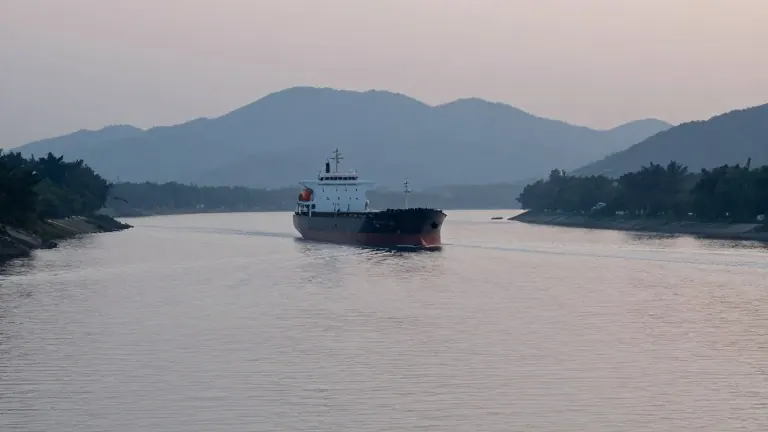
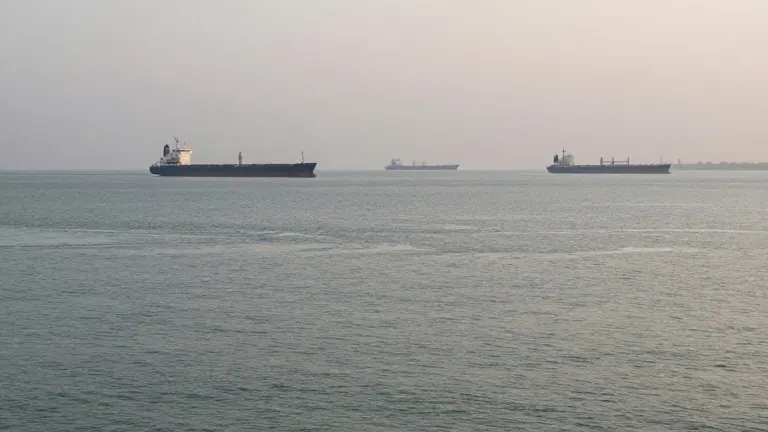
Negotiations between Tehran and Washington remain stalled. A senior Iranian official told Reuters that the two sides are far apart on key terms. The U.S. must meet Iran’s conditions to open the Strait of Hormuz, which includes waiving oil sanctions, ending the U.S. naval blockade, and releasing frozen Iranian funds. Iran has restricted the waterway in retaliation for the war, causing energy prices to spike globally. The official added that mediators are working to narrow the gaps between the two capitals.
The U.S. military continues to operate in the region despite diplomatic efforts. The Pentagon has drawn up options for further strikes, and the armed presence in the area has expanded. Iranian officials maintain that the closure of the Strait of Hormuz will continue until their economic demands are met. The situation leaves working families facing higher energy costs while political leaders in both nations debate the next steps.
Source: The Hill