Iranian leaders declare American collapse accelerated after Democratic midterm sweep
Tehran officials framed the election results as a rejection of the eight-month war with the United States, warning that a divided government could face further conflict.
By Alexander Novak ·
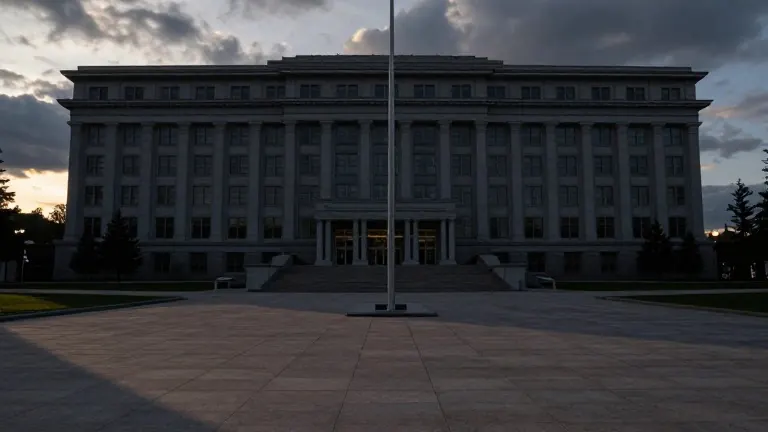
Iranian leadership issued a series of celebratory statements on Wednesday following a decisive Democratic victory in the United States midterm elections. The officials portrayed the results as a direct repudiation of President Donald Trump's handling of the ongoing war with Iran and the economic strain that conflict has placed on American households.
Ayatollah Mojtaba Khamenei, the current Supreme Leader, posted on an official English language account on X that the process of the US collapse has accelerated. He argued that the United States seeks the surrender of the Iranian nation and warned that any move toward submission would squander the capital gained through military sacrifice. Khamenei stated that such a concession would embolden the enemy to launch more wars and carry out acts of aggression.
Mohammad Bagher Ghalibaf, the Iranian Parliament Speaker and Tehran's chief negotiator with Washington, framed the vote as a choice between conscience and the cost of living. He wrote that Americans said no to war and that Tehran endorses that message. Ghalibaf added a warning that if the US government betrays the public will to serve international paymasters, it will learn that Iran's no comes with a nightmare.
Other officials in Tehran claimed vindication for their position. Ali Nikzad, the Deputy Parliament Speaker, described the Republican losses as the aftershocks of Trump's defeat at the hands of Iran. A senior official in the office of President Masoud Pezeshkian stated that the war and US support for Israel delivered Republicans a historic electoral defeat.
The statements followed Democrats seizing control of Congress on Tuesday night. The election served as a major rebuke to Trump after a campaign dominated by affordability concerns and a months long war with Iran. Trump had promised the conflict would end quickly, initially predicting it would last weeks or perhaps a bit over a month. The war has now been raging for more than eight months.
The conflict became increasingly tied to economic worries as the war pushed energy prices higher and drove up the cost of gasoline and most goods. Polling ahead of Election Day showed deep public dissatisfaction with the Iran conflict. Trump acknowledged after the results came in that Iran partly played a role in Republican losses, even as he defended his decision to go to war.
Vice President JD Vance was more blunt in his assessment. He wrote in a lengthy X post that the reason the party lost is the war. Vance suggested that if one argues the loss of the Senate for the next six years was worth it, that is a worthwhile cost to pay, calling that an honest assessment.
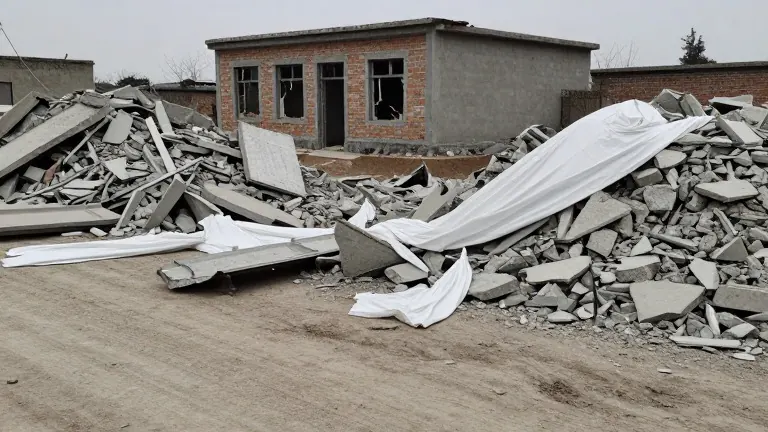
Trump entered the conflict predicting a short war. In the opening days of Operation Epic Fury, he repeatedly said the campaign would take roughly four to six weeks and declared US forces were running substantially ahead of schedule. American and Israeli strikes eliminated senior Iranian military leaders and battered Tehran's military infrastructure.
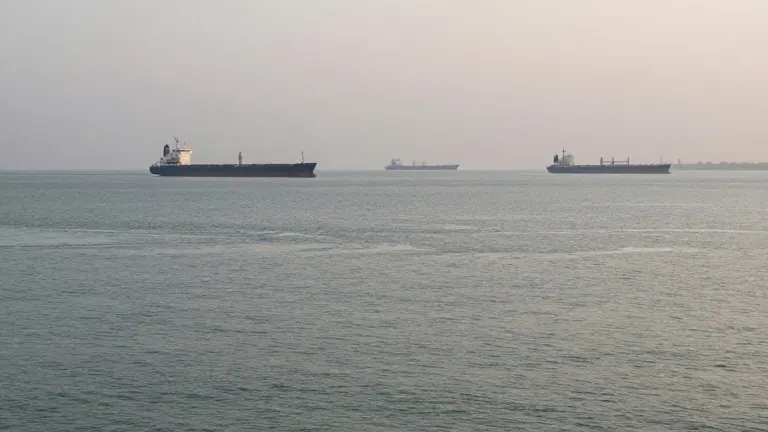
Iran retaliated by choking commercial traffic through the Strait of Hormuz, a waterway that before the war carried roughly a fifth of the world's oil supply. Iranian attacks also damaged energy infrastructure in Saudi Arabia, Kuwait, and elsewhere in the Persian Gulf. According to the International Monetary Fund, more than 1.1 billion barrels of crude that would ordinarily have reached global markets had been disrupted by the end of May.
Oil prices surged after the war began, feeding through to gasoline and other consumer costs just as Republicans headed into a midterm election. Even after US led operations restored much of the traffic through Hormuz by the fall, oil flows remained below prewar levels and Iran continued attacking commercial vessels. By October, Trump was disputing that he had ever promised the entire conflict would end within four to six weeks, saying that timeline referred only to eliminating Iran's nuclear threat.
Source: Fox News
More World · National news · Report a business · Got a Story?