Record spending defines 2026 midterms as party money edges diverge
Republican committees hold a financial advantage, but Democrats outspent their opponents at the candidate level in the most costly election cycle on record.
By Alexander Novak ·
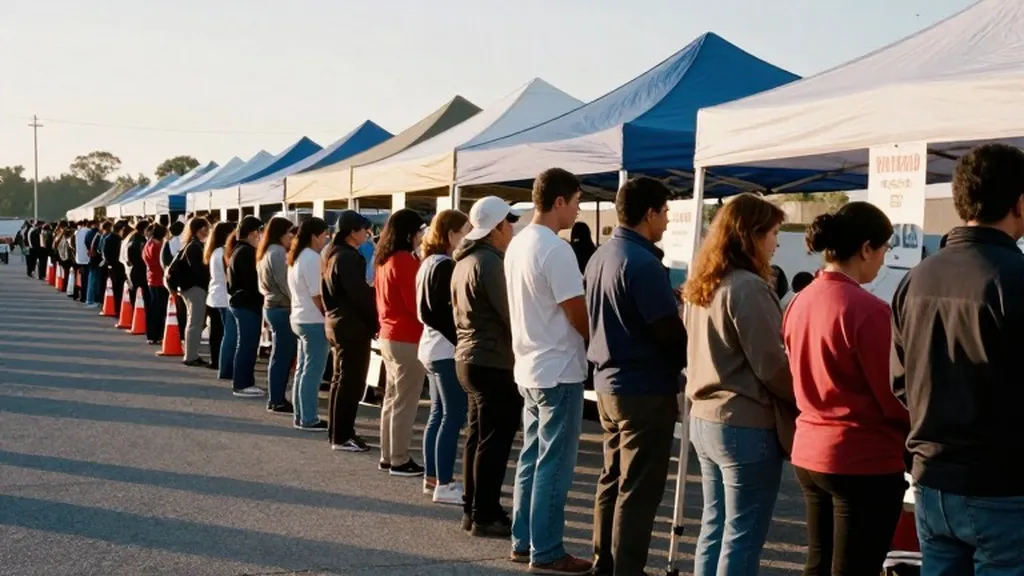
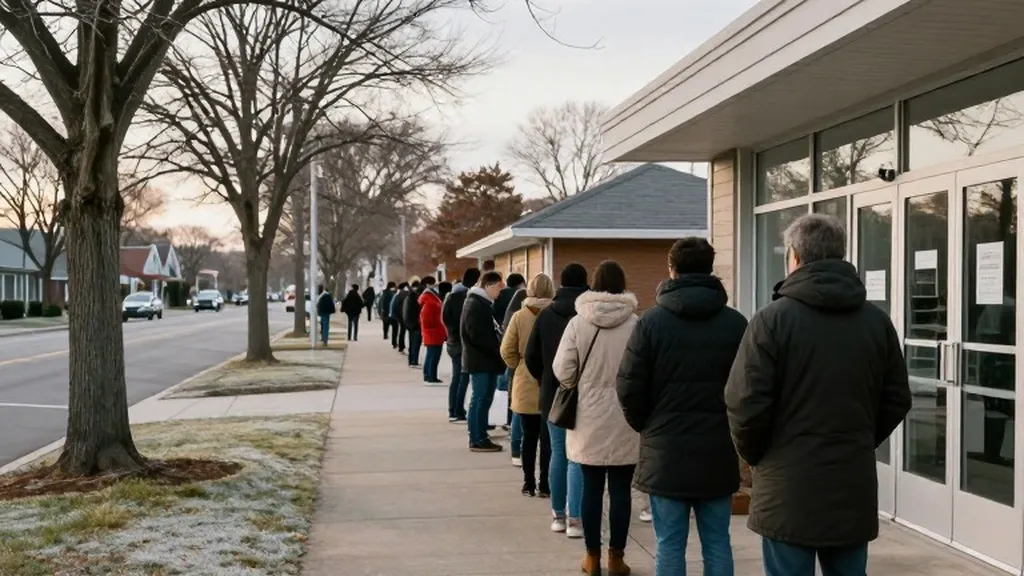
Voters across the United States are casting ballots on Tuesday in what analysts expect to be the most expensive midterm election in history. The sheer volume of money flowing into the race has created a complex financial landscape where the overall party advantage does not mirror the spending habits of individual candidates. While the total war chest for the Republican side has grown significantly, the dynamics at the local and district levels present a different picture for Democratic strategists.
According to an analysis by the Associated Press of data from AdImpact, the 2026 election cycle is tracking to surpass all previous records for expenditure. This surge in spending is driven by a combination of traditional party fundraising and significant contributions from outside groups. The financial disparity between the two parties at the committee level has become a central talking point in the race for control of Congress.
Republican committees have outraised and outspent their Democratic counterparts throughout the general election period. This advantage was bolstered by support from Trump-affiliated groups and billionaire Elon Musk, whose financial resources have been injected directly into the campaign infrastructure. These outside forces have allowed the Republican side to maintain a consistent lead in total dollars raised and deployed during the final weeks of the campaign.
However, the aggregate numbers mask a more granular reality at the individual level. At the candidate level, Democrats have actually outraised their Republican opponents. This inversion of the typical fundraising hierarchy suggests that Democratic candidates are securing more direct support from their constituencies, even as their party committees lag behind in total resources. This candidate-level edge provides a buffer for individual races, particularly in the 46 battleground districts identified by Ballotpedia.
The allocation of funds reveals a strategic focus on specific geographic areas. The Associated Press analysis indicates that 88.1 percent of Republican general election television ad spending was directed toward states and districts that Donald Trump won in the 2024 presidential election. This heavy concentration of media buying in friendly territory reflects a defensive strategy aimed at protecting incumbents and securing a solid base of support in red-leaning areas.
Within those favorable areas, the spending was particularly intense. More than $850 million was spent in districts where Trump won by a margin of ten points or more. This figure highlights the massive investment required to maintain the status quo in the House and Senate. The concentration of resources in these deep red areas contrasts with the broader, more distributed spending patterns seen in Democratic campaigns, which often target a wider array of competitive seats.
The financial edge held by Republican committees is seen as a significant obstacle for Democrats, who are trying to overcome the midterm historical trend of the president's party losing seats. Republicans attempted to leverage this money advantage alongside new congressional maps resulting from mid-decade redistricting in states like Florida, Texas, and California. However, the effectiveness of these new districts remains a subject of intense debate and observation by election watchers.
For Democratic voters, the cost of this high-stakes spending is a tangible concern. Many are focused on the cost of living and health care, issues that have dominated the conversation throughout the year. The money spent on television ads and digital campaigns is viewed by some as a symptom of a system that is increasingly reliant on wealthy donors to shape the political landscape. This perception has fueled a sense of urgency among Democratic supporters to turn out in large numbers.
The Associated Press describes the election as a referendum on the administration's performance, with many voters expressing frustration over high prices and the ongoing conflict with Iran. The financial resources deployed by both sides are being tested against the backdrop of these economic and foreign policy issues. The ability of each party to convert its financial advantage into actual votes will be the critical factor in determining the outcome of the day.
As polls open across the country, the focus shifts from the aggregate numbers to the individual votes being cast. The Republican committee edge provides a strong foundation for their campaigns, but the Democratic candidate-level fundraising suggests a resilient ground game. The interplay between these two financial realities will define the tone of the results as they begin to trickle in later today.