Midterms: Why the President's Party Usually Loses and How Both Sides Tried to Win
With polls open, Democrats face steep odds to break the historical trend, while Republicans rely on redistricting and spending advantages to hold ground.
By Lucia Orlov ·
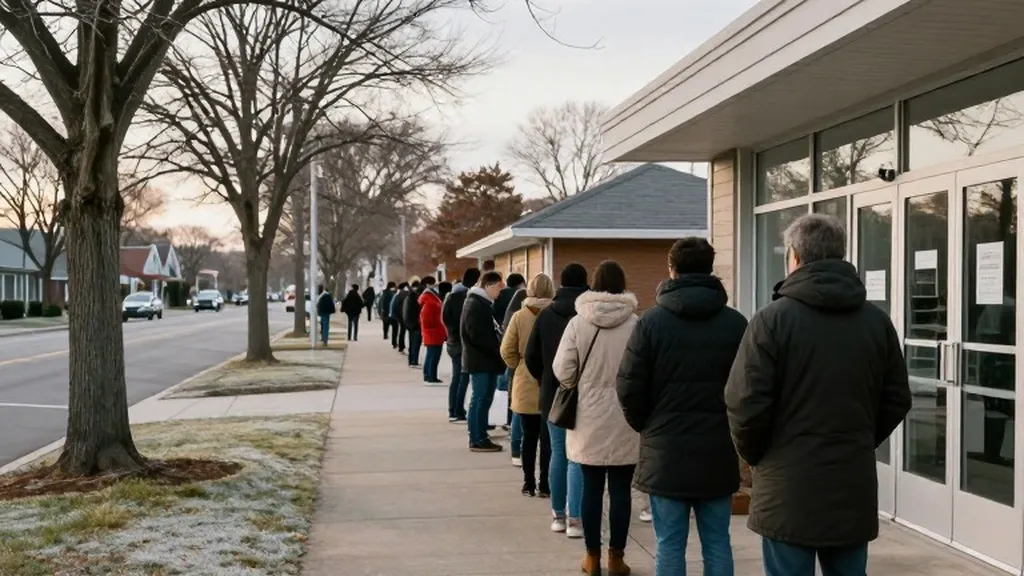
History suggests that the party holding the White House typically loses seats in midterm elections, a pattern that both parties are trying to break today. For Democrats, the challenge is significant. They currently hold 214 House seats and need a net gain of three districts to secure a majority, according to Ballotpedia. In the Senate, they hold 45 seats and need to win four net seats to take control. The Associated Press describes the day as a referendum on President Trump's second term, with voters grappling with high prices and an unpopular war with Iran.
Democratic leaders are cautiously optimistic, citing voter anger over the cost of living. House Democratic Leader Hakeem Jeffries has outlined a 100-day agenda focused on economic relief and oversight if his party takes the House. Rep. Suzan DelBene, chair of the Democratic Congressional Campaign Committee, stated that the American people are angry and want change. Voters like James Moore, a librarian in Raleigh, North Carolina, echoed this sentiment, noting that he is paying more for taxes, healthcare, and everything else.
Republicans are bracing for potential losses in the House but are fighting to keep the Senate. RNC Chairman Joe Gruters emphasized that everything depends on turnout, asserting that if their voters show up, they will win. The Republican strategy has leaned heavily on the money edge. According to AP analysis of AdImpact data, 88.1 percent of Republican general election TV ad spending went to states and districts Trump won in 2024. This includes more than $850 million spent in areas where he won by 10 points or more, a tactical choice aimed at protecting vulnerable incumbents.
Redistricting has played a central role in the Republican effort to beat the midterm pattern. Six states, including Florida and Texas, are using new congressional maps this year. However, the AP notes that these new districts may not vote as drawn. In Florida, for instance, the new maps have created competitive races that did not exist before. Democrats argue that the historical trend is strong enough to overcome these structural advantages, especially in a year with low approval ratings for the president.
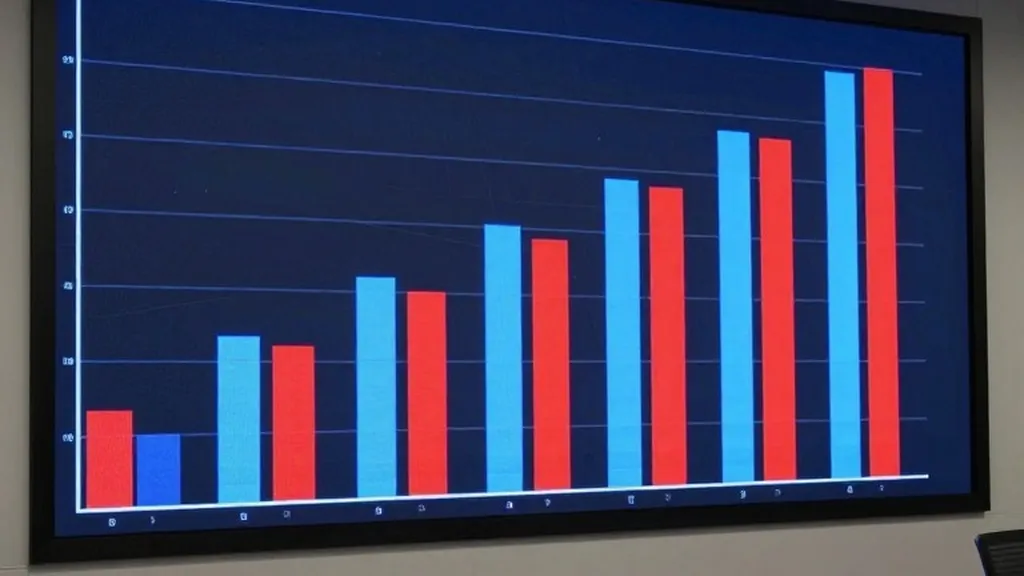
Polling data from the AP and NORC shows that 35 percent of U.S. adults approve of Trump's job performance, while only 25 percent approve of his handling of the economy. About seven in ten Americans say the country is heading in the wrong direction. This mood is driving high early voting numbers, with more than 57 million people having already voted as of Monday. This figure surpasses the early vote totals from four years ago in many closely watched states.
In the Senate, the fight for control hinges on a handful of battleground states. Ballotpedia lists 13 races as competitive, including Georgia, Michigan, and North Carolina. In Georgia, Sen. Jon Ossoff faces Rep. Mike Collins in a race the AP rates as likely Democratic. In Michigan, Abdul El-Sayed is competing against former Rep. Mike Rogers. The AP notes that economic strain and tariffs have made Maine, a traditionally Republican state, competitive. Sen. Susan Collins is facing a challenge from former state Senate President Troy Jackson.
Governor races also offer a chance for Democrats to shift the balance of power nationwide. Republicans have held a majority of governorships since 2010. To change that, Democrats need a net gain of two governorships. They are defending seats in states that Trump won in 2024, such as Arizona and Wisconsin. In Georgia, former Atlanta Mayor Keisha Lance Bottoms is running against Republican health care executive Rick Jackson. The AP identifies Texas, Florida, and Iowa as competitive governor races where the outcome could influence the broader narrative of the election.
Voters are also navigating administrative changes that have raised concerns about the integrity of the process. A federal judge temporarily barred the Trump administration from a plan it says would prevent noncitizen voting, a move critics say risks disenfranchising eligible voters. The administration also filed lawsuits in Alaska and California related to election certification and ballot handling. Trump has continued to make claims about voting fraud, including that noncitizens vote in large numbers, which has added to the tension surrounding the day's proceedings.
The financial stakes of these elections are high. The 2026 cycle is likely to be the most expensive in history. While Republican committees outspent Democrats overall, helped by Trump-affiliated groups and Elon Musk, Democratic candidates outraised their Republican opponents at the individual level. This dynamic suggests a split strategy where parties are pooling resources at the committee level but relying on strong candidate fundraising at the local level.
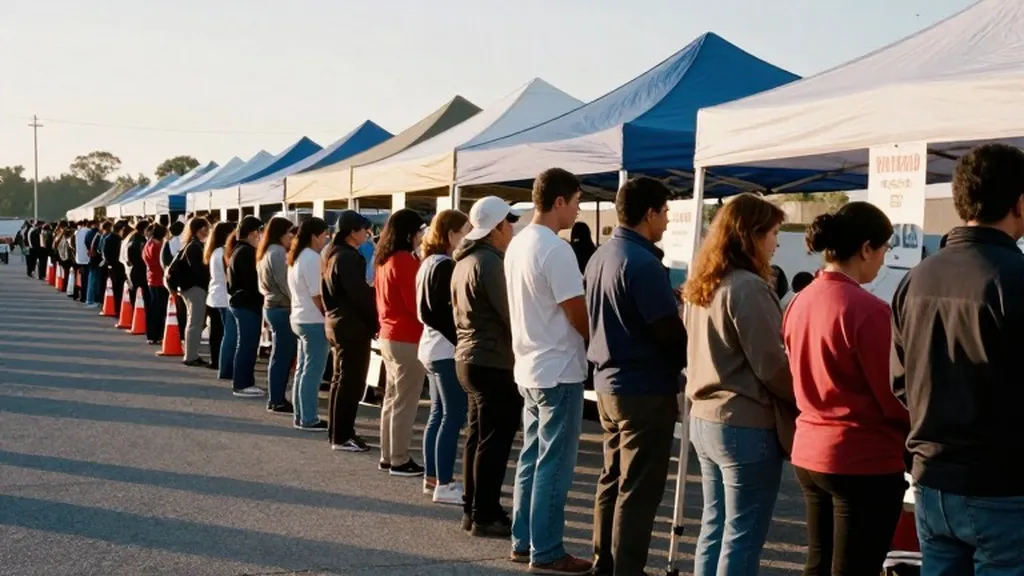
Polls are open in all states, with hours varying by location. In states like California and Colorado, a large portion of the vote has already been cast by mail. In others, such as New York, polls remain open until 9 p.m. local time. The U.S. Postal Service has added staff and hours to ensure mail ballots are counted on time. As voters head to the polls, the question remains whether the historical midterm pattern will hold or if the specific conditions of 2026 will allow one party to defy the trend.