Madison students limit Halloween costume costs to $100
National retailers project $13.5 billion in total spending, yet local students cap their individual budgets to avoid fast fashion waste.
By Lucia Orlov ·
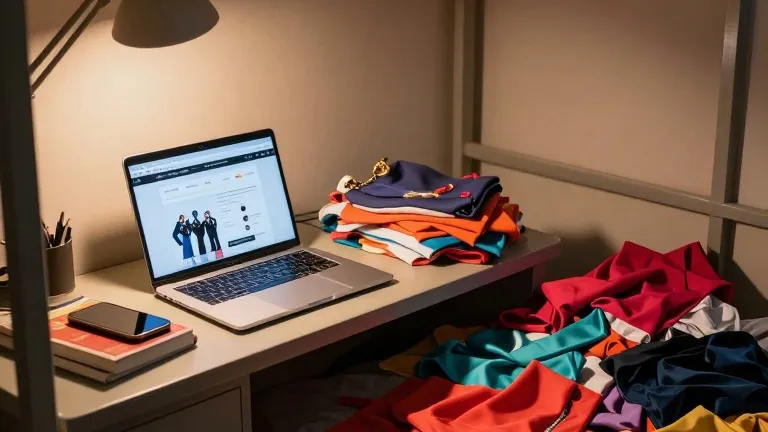
Americans will spend an average of $115.14 on Halloween items this year, according to the National Retail Federation. The organization projects total national spending will reach $13.5 billion. University of Wisconsin-Madison students are setting a firm cap at $100 for their costumes, a figure that aligns closely with the national per-person average but leaves little room for error.
The pressure to purchase new outfits has grown over recent years. Students report feeling compelled to buy elaborate, full costumes or assemble looks item by item from low-cost retailers. Senior Hadley Wendorff noted that campus culture drives this spending. "If your friends have a great costume you wanna have a great costume too," she said.
Junior Matteo Rovera described a shift in personal habits due to peer influence. "There's fads for the year," he stated. "I would probably only ever wear one Halloween costume a year, but because of what my friends are doing, I have three this year." His experience reflects a wider trend where students buy multiple outfits for a single weekend.
The search for affordable options has moved online for many students. Junior Lily Myhra said she looks for pre-owned items on Depop, estimating her total cost will fall between $50 and $100. While these platforms offer lower prices, they often connect shoppers to the fast fashion model. This model prioritizes rapid production and low prices, leading to high volumes of waste.
Environmental data underscores the cost of disposable clothing. Fashion production generates 10% of global carbon emissions and contributes to water pollution. Furthermore, 85% of textiles are discarded in landfills annually. A costume worn for a single night on State Street fits this cycle of rapid consumption and disposal.
Students are adopting strategies to reduce both financial and environmental impacts. Many are turning to secondhand sources like thrift stores, Facebook Marketplace, and Vinted. Others are borrowing pieces from friends or digging through their own closets for usable items. The goal is to find recognizable looks, such as zombies or characters from the show "Off-Campus," without relying on new inventory from major retailers.
The National Retail Federation's projections remain fixed for the holiday season. Madison students continue to weigh the cost of convenience against the value of sustainability. As the weekend approaches, the choice between buying new from Spirit Halloween or Amazon or sourcing secondhand remains a primary concern for those managing tight budgets.
Source: The Daily Cardinal