Musk: Moon Lander Needs Six to Eight Tankers
SpaceX CEO rejects NASA advisory panel estimate of 22 flights, arguing orbital refueling requires far fewer launches.
By Lucia Orlov ·
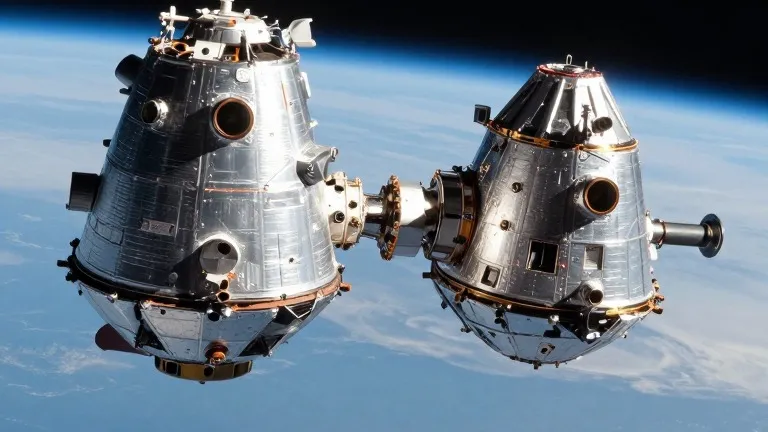
A disagreement over lunar logistics has emerged between SpaceX leadership and a federal safety advisory panel, with implications for the timing and cost of the Artemis IV crewed mission. The conflict centers on the number of rocket launches required to refuel the lunar lander in Earth orbit before it can depart for the Moon.
The dispute originated during the Aerospace Safety Advisory Panel's quarterly public meeting on Thursday, October 22. Panel member Charlie Precourt, a former NASA astronaut, identified orbital fueling as a primary risk for the 2028 mission. Precourt stated that the most recent estimate stands at approximately 22 flights. The remark was shared on the social platform X by Ars Technica reporter Eric Berger, who drew an immediate response from SpaceX CEO Elon Musk.
Musk challenged the panel's figure, describing it as excessively high. He asserted that the actual number of required tanker flights will be between six and eight. This counter-estimate suggests a streamlined process that would reduce the duration of the orbital assembly phase and lower the cumulative risk associated with multiple launches.
The operational challenge stems from Starship's design constraints. The vehicle consumes nearly all its propellant reaching Earth orbit, necessitating an in-orbit depot. A dedicated storage tanker is launched first, followed by additional tankers that dock and transfer fuel. Once the depot is filled, the crewed lander departs for the lunar surface. Each tanker mission represents a full launch campaign, meaning a higher count translates to longer lead times and increased exposure to potential failures.
Eric Berger noted that even at a projected rate of two launches per week by late 2027, completing the 22-flight sequence would require roughly three months. The variance in estimates depends on propellant delivery efficiency and boil-off losses. NASA's figure appears to rely on current Starship capabilities, while Musk's range assumes the upgraded V3 version of the vehicle.
Musk has previously disputed higher launch counts. In 2021, he rejected a government document suggesting 16 launches, calling that scenario extremely unlikely and reiterating that eight tankers would be the maximum required. Precourt acknowledged that Artemis IV involves a large number of firsts, though he commended NASA Administrator Jared Isaacman's team for working to clear obstacles for both SpaceX and Blue Origin. Blue Origin's Blue Moon lander does not rely on orbital refueling for its initial mission.
SpaceX plans to conduct refueling operations with the V3 Starship. The final number of launches will be determined by the vehicle's demonstrated performance in delivering propellant to orbit and minimizing losses during transfer.
Source: Teslarati