Orbit Expansion: Three New Satellites Join RF Monitoring Fleet
HawkEye 360 adds to its constellation with a launch that brings its total active spacecraft count to nearly 50.
By Alexander Novak ·
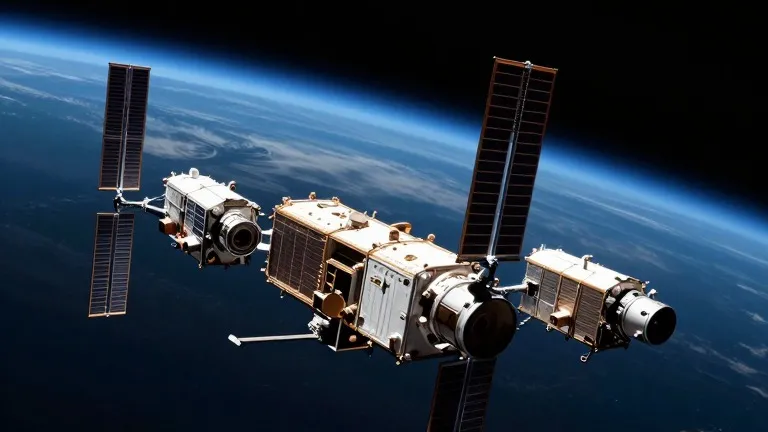
The gap between consecutive launches narrowed to 48 hours. On October 23, Rocket Lab sent three new signals-intelligence spacecraft into orbit, following a similar deployment by SpaceX just two days earlier.
An Electron rocket lifted off from New Zealand at 3:11 a.m. EDT. The mission, named "We're Not Hawking Around," carried three "Hawk" satellites built for Virginia-based HawkEye 360. The spacecraft will reach a low Earth orbit altitude of 520 kilometers, or 323 miles, once released.
HawkEye 360 operates these units in clusters of three. The company stated that the satellites collect data across the radio frequency spectrum for maritime tracking, GNSS jamming detection, and radar monitoring. This information supports the U.S. government and its allies. HawkEye 360 described its goal as transforming spectrum knowledge into a strategic advantage through AI-powered analytics.
This deployment marks the 19th launch for Rocket Lab in 2026. Sixteen of those missions used the standard two-stage Electron rocket, which stands 18 meters tall. The other three flights utilized HASTE, a suborbital variant designed for hypersonic technology testing. This was the company's 98th launch overall.
HawkEye 360 began launching satellites in 2018. The company has now placed nearly 50 units in low Earth orbit. The new trio will join the existing fleet after commissioning, expanding the network's ability to scan the planet for emissions.
Source: Space.com