New Roadster Interface Puts Pilot Controls Front and Center
Tesla revealed a fighter jet inspired cockpit display for its upcoming electric car, featuring detailed track telemetry and thruster status indicators.
By Alexander Novak ·
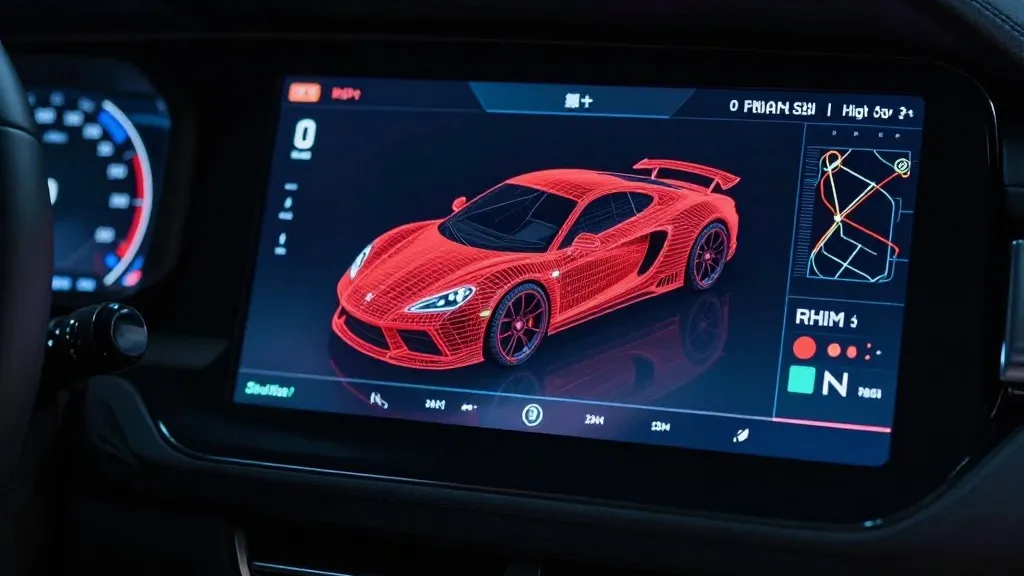
California residents and car enthusiasts will soon have a concrete look at the interior technology of the next generation Tesla Roadster. The company released a brief video on Friday afternoon showing the vehicle's user interface in detail. This preview offers potential buyers a clear understanding of how the cockpit will function before the car arrives on the market.
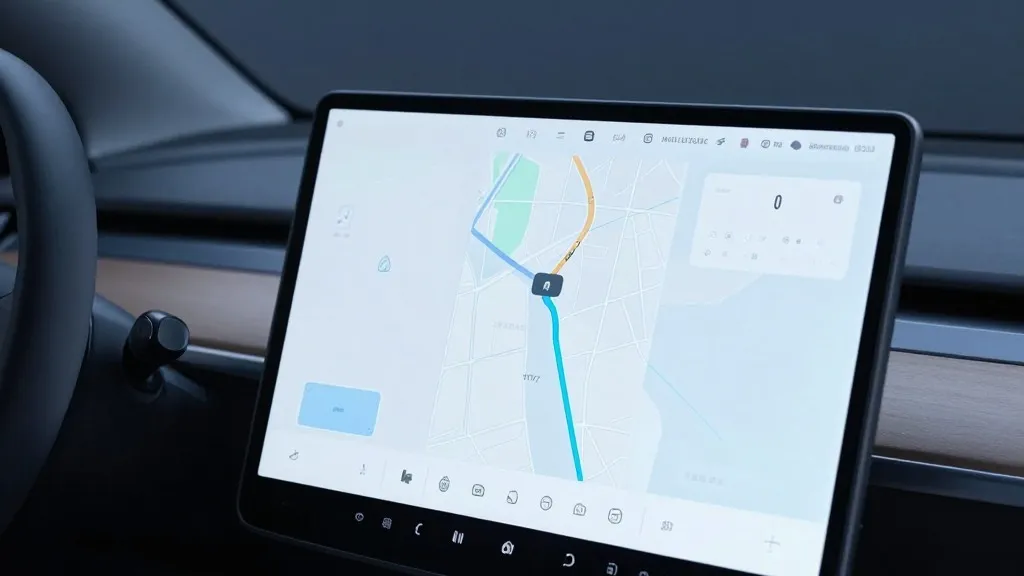
The primary change for drivers is a shift away from the map-centric design used in other Tesla models. The new screen places a three-dimensional wireframe of the car at the center of the home page. Users can tap specific parts of the model to access controls for the rear wing, including low drag and high downforce positions. The interface also includes a charging page with a charge limit bar and a basic music player. A row of tabs at the bottom provides quick access to Home, Vehicle, Listen, Climate, and Navigate functions.
A significant portion of the demonstration focused on Track Mode, which provides granular data for performance driving. The dashboard displays a live circuit map, session lap times, and real-time readings for brake and motor temperatures. It also shows pressure and temperature data for each individual tire. Drivers can select from Auto, Low Drag, High Downforce, or Custom aero modes. Additional controls allow for adjustments to aero and brake balance, as well as the ability to switch off stability and traction control systems.
The software display directly reflects the hardware capabilities revealed earlier this month in Waco, Texas. A status bar on the screen indicates the thruster pressure at 5,500 PSI and shows a Boost Ready indicator. This ties the digital interface to the cold gas thrusters used in the Thrust and Rocket versions of the car. Tesla has listed 0 to 60 mph acceleration times of under 0.9 seconds for the Thrust model and under 0.59 seconds for the Rocket model. The base Performance version uses a different system involving a fan and ground sealing for grip.
The overall layout marks a distinct departure from the rest of Tesla's current lineup. The company has not indicated whether this specific telemetry data will appear in other vehicles like the Model 3 Performance. The interface design is still subject to change before final production begins. Elon Musk stated at a recent event that manufacturing will start in 2028. The Rocket version is currently not approved for public road use.
Reservations for the new model are currently open with a $50,000 payment. The Thrust variant is listed as a limited release, while the Rocket version is invite only. Those wishing to see the physical vehicle can visit the Petersen Automotive Museum in Los Angeles. The car will be on display in the lobby from October 24 through 27, providing the first opportunity for the public to view it up close.
This release serves as a key milestone for the project, connecting the software experience with the high-performance hardware. As production approaches in 2028, these details help set expectations for the driving experience. The upcoming public display in Los Angeles will likely draw significant attention from local fans and industry observers alike.
Source: Teslarati · original report published
More Business · Scam Watch · Report a business · Got a Story?