Tesla Develops In-House Mapping Infrastructure to Enhance Full Self-Driving Capabilities
The electric vehicle manufacturer has confirmed it is constructing a proprietary map layer derived from fleet data to address persistent navigation and speed-limit errors in its autonomous software.
By Camila Rodriguez ·
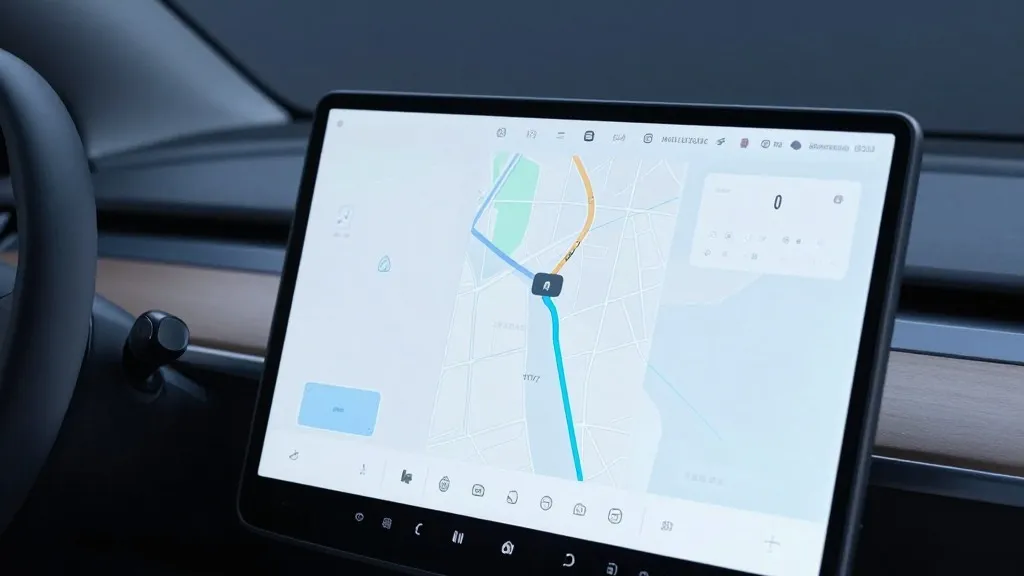
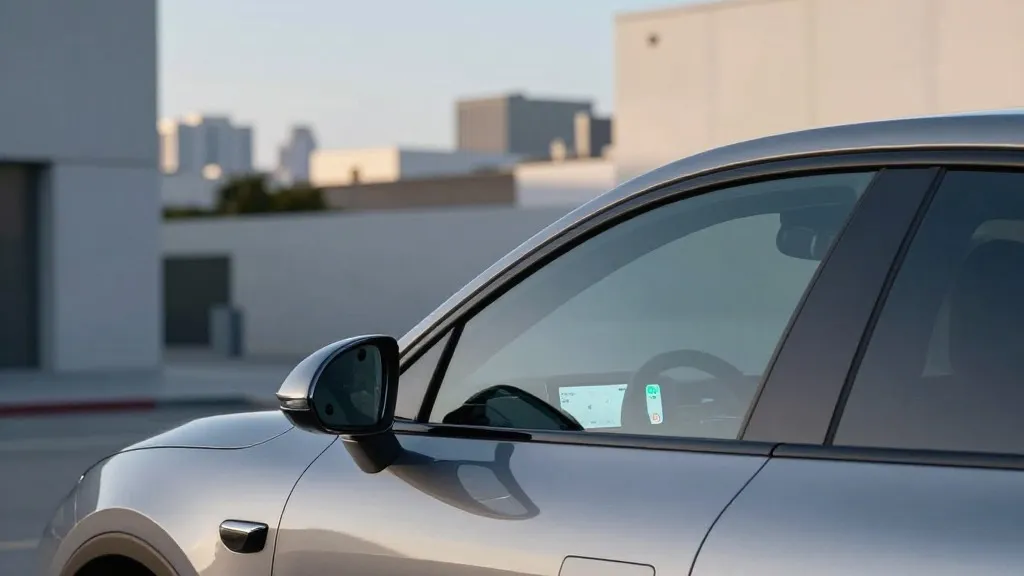
Tesla has officially confirmed that it is developing its own mapping infrastructure to resolve significant limitations within its Full Self-Driving system. The initiative aims to improve the vehicle's ability to accurately interpret speed limits, manage parking scenarios, and select optimal routes. This strategic shift was detailed by the company’s leadership during the third-quarter 2026 earnings call, marking a distinct departure from previous public statements regarding the necessity of detailed cartography for autonomous driving.
The decision to build internal maps represents a notable evolution in Tesla’s technical philosophy. For several years, the company’s leadership maintained that self-driving systems relying on pre-mapped environments were inherently fragile. By now utilizing its extensive vehicle fleet to gather environmental data, Tesla is adopting a methodology similar to that employed by competitors like Waymo, which uses vehicle sensors to continuously update road knowledge. While Tesla advocates argue that their approach differs from Waymo’s high-definition lidar-based maps, the fundamental reliance on fleet-generated data to supplement vision systems remains a shared characteristic.
The impetus for this new architecture emerged from shareholder inquiries during the recent earnings session. A retail investor highlighted that mapping errors remained a primary source of frustration for users, specifically citing issues with speed limit recognition, parking precision, and route selection. In response, Ashok Elluswamy, Tesla’s Vice President of AI, acknowledged that the company should no longer depend on third-party map providers. He explained that the new system utilizes an AI-based architecture that aggregates data from the entire fleet while also learning individual driver preferences and responding to voice commands.
Historically, Tesla’s position on mapping has been inconsistent. When Autopilot was introduced in 2015, the company indicated it was creating high-precision maps with significantly greater granularity than standard navigation tools. However, during its 2019 Autonomy Day, CEO Elon Musk characterized high-precision lane maps as a "huge mistake" and a "really bad idea" for self-driving. At that time, he argued that such reliance made systems brittle, contrasting Tesla’s camera-and-AI approach with Waymo’s use of lidar and detailed maps. Seven years later, the company is implementing a map layer specifically to correct errors that its vision system frequently encounters.
Critics note that the specific issues Tesla aims to address, speed limits, parking, and routing, are fundamentally about environmental understanding, areas where the current Full Self-Driving software has shown consistent shortcomings. Recent assessments have highlighted these failures; for instance, a Belgian road safety group reported that the system exceeded speed limits in a majority of tested zones in Brussels. Additionally, the National Highway Traffic Safety Administration is considering an investigation into reports of Tesla Robotaxis speeding through active school zones in the United States.
The operational model for Tesla’s new mapping effort aligns closely with its current Robotaxi service. Just as Waymo drives sensor-equipped vehicles through cities to build and maintain maps before and during service launch, Tesla is now leveraging its fleet to create a shared map that improves the driving performance of every vehicle. While the company states it is not currently focusing on centimeter-level high-definition maps, the continuous data collection process suggests the system may become increasingly detailed over time.
This development brings Tesla’s autonomous strategy closer to the established methods of its peers. By integrating a fleet-built map, Tesla is addressing the environmental gaps that pure vision systems have struggled to close. The new technology is scheduled to begin managing the start and end of trips with the upcoming version 15 of Full Self-Driving, with full navigation and destination handling expected to follow in subsequent months.
As Tesla refines this new architecture, the company is effectively validating the utility of mapping data after years of suggesting it was unnecessary for a robust self-driving solution. The integration of this map layer will be critical in determining whether the system can reliably handle basic road information, such as speed limit signs, before expanding unsupervised driving to a broader consumer base.
Source: Electrek