14 Million: Apple Ramps Up Production of New Folding Phone
Supply chain data reveals a significant jump in manufacturing targets following a surge in initial customer interest for the device.
By Brianna Jackson ·
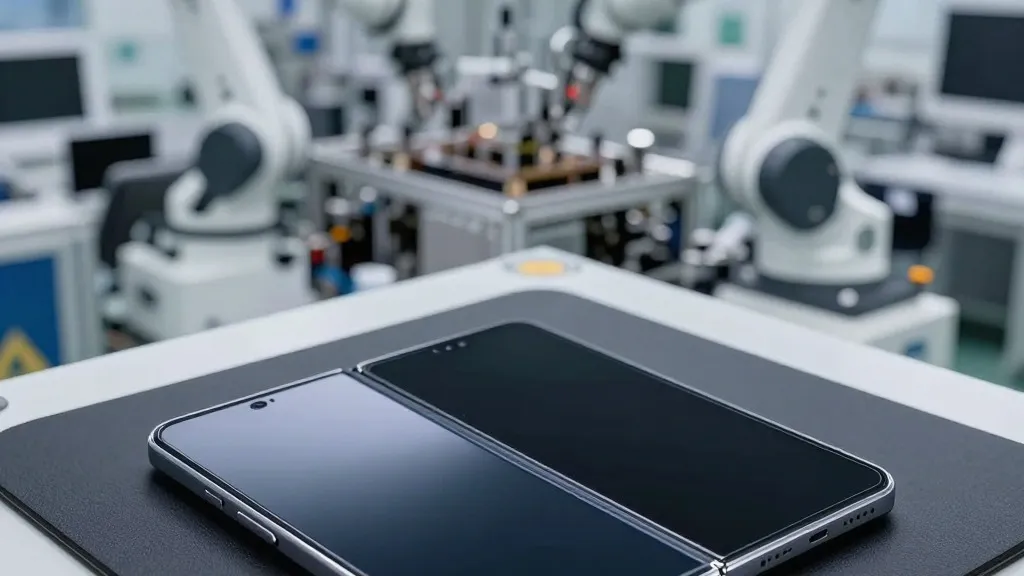
The smartphone market is currently witnessing a shift in consumer appetite for foldable hardware, with Apple's latest entry into this niche segment capturing significant attention. Recent supply chain indicators suggest that the company has aggressively scaled back its initial production plans to keep pace with a sudden and intense influx of customer orders for the iPhone Duo.
According to reports from DigiTimes, which cite sources within the supply chain, Apple has increased its shipment targets for the iPhone Duo by more than 40 percent. The original plan called for manufacturing 9.7 million units over the first twelve months of the product's lifecycle. However, in response to the current market conditions, that figure has been revised upward to 14 million units. This substantial increase reflects a strategic decision to ensure sufficient inventory is available to meet what the company has characterized as exceptional demand.
The pre-order window for the device opened on Friday, and the immediate aftermath revealed just how high the initial interest was. Within approximately one minute of the pre-orders becoming available, customers began reporting extended delivery dates. Some users were told they would not receive their devices until late January. At the time, it was difficult to determine whether these delays were the result of overwhelming demand or potential supply chain bottlenecks. The latest production data, however, strongly suggests that the former is the primary driver, with Apple actively ramping up manufacturing to clear the backlog.
Apple stated that the delivery delays are attributable to "extraordinary" demand for its first folding iPhone. It is worth noting that the company has frequently used similar language to describe the launch of previous iPhone models. To manage the queue and address concerns about scalping, Apple implemented a purchase limit, allowing each customer to order a maximum of two units. This restriction was designed to ensure that early access was distributed more evenly among genuine consumers rather than being concentrated in the hands of resellers.
As anticipated, some of the earliest customers have since received updated shipping estimates that are earlier than the initial dates provided. This adjustment aligns with the reported increase in production capacity. By boosting output, Apple is working to reduce the wait times for those who placed their orders at the start of the pre-order period. The shift in logistics indicates that the company is confident that the high level of interest will persist beyond the initial launch window.
Despite the hardware availability, early adopters face a different set of challenges regarding software compatibility. Third-party applications have not yet been fully optimized for the unique form factor of the iPhone Duo. Apple maintains that the situation is improving rapidly as developers update their applications to support the new device. Initial reviews from users who have had the phone for a week consistently highlight app support as one of the primary areas for improvement, alongside other functional aspects.
Another point of discussion in early reviews is the authentication method. The iPhone Duo utilizes Touch ID rather than the Face ID system found in other recent iPhone models. This design choice has been a notable takeaway for users comparing it to previous devices. However, new reports indicate that Apple is already looking ahead to future iterations. Sources suggest that prototypes for the iPhone Duo 2 are currently being tested with Face ID technology, signaling a potential return to that biometric standard in the next generation of the folding line.
The rapid adjustment of production targets underscores the competitive pressure in the folding smartphone sector. By increasing output by over 40 percent, Apple is signaling its commitment to meeting market demand without letting supply constraints hinder the product's adoption. The interplay between pre-order surges, supply chain agility, and software optimization will likely define the early success of this new category for the company.
As delivery dates are recalculated and more units hit the market, the focus will remain on how well the ecosystem adapts to the new hardware. The combination of increased manufacturing volume and ongoing developer updates aims to provide a smoother experience for the growing number of users. The 14-million-unit target represents a significant bet on the long-term viability of the folding form factor in the broader iPhone lineup.
For now, the data points to a strong start for the iPhone Duo, with production scaling in direct response to consumer behavior. The transition from a 9.7-million-unit plan to a 14-million-unit target is a clear indicator of the company's confidence in the product's reception. As more devices are shipped, the early issues with app compatibility and biometric preferences may become secondary to the overall user experience, provided the supply chain continues to operate at this elevated capacity.
Source: 9to5Mac