SpaceX Rebuffs Space Force as Spanish Rocket Nears Final Integration
The aerospace giant declined three military contracts while PLD Space confirmed its Miura 5 vehicle is undergoing final system testing ahead of its 2027 debut.
By Malcolm Davis ·
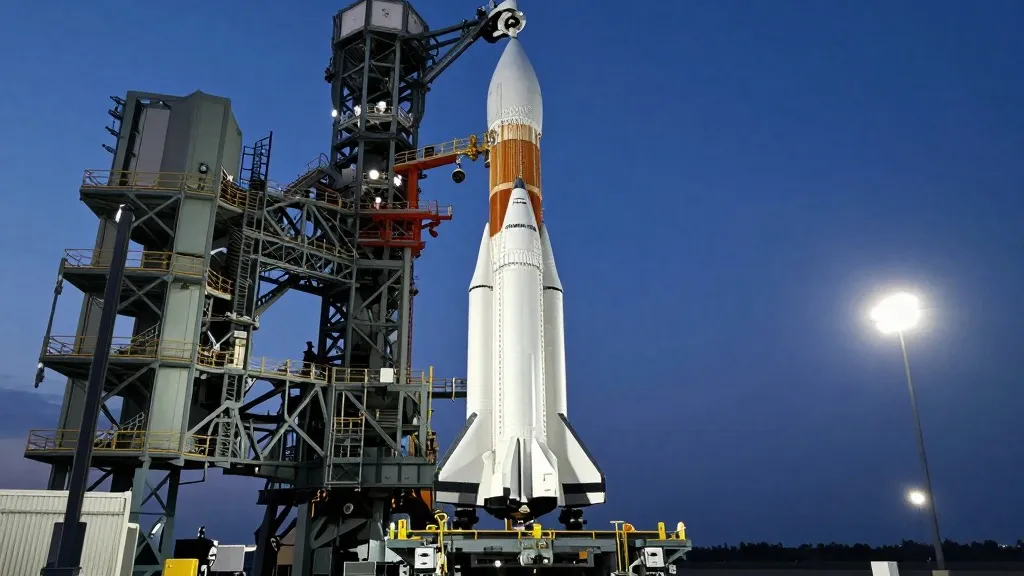
SpaceX has officially declined three launch contracts offered by the United States Space Force, a decision that stands out as a notable strategic shift for the company. The rejection came on Thursday, marking a significant moment in the relationship between the private sector and military space operations. While the specific reasons for the refusal were not detailed in the immediate announcement, the move signals a potential recalibration of the company's portfolio priorities.
Simultaneously, news from the civil space sector revealed that SpaceX’s Starship vehicle may require as many as 22 in-orbit refueling stops to support a lunar landing mission. This figure was cited by a NASA safety panel, highlighting the complex logistical challenges inherent in the company’s ambitious lunar architecture. The high number of refueling operations underscores the technical hurdles that remain before Starship can be considered fully ready for crewed lunar missions.
On the international front, Spanish launch provider PLD Space reported that its Miura 5 rocket is approaching final integration. The company’s CEO, Raúl Torres, stated in an October 19 update that the vehicle is nearing the end of its assembly phase. PLD Space has already manufactured three units of the Miura 5, with the first intended for an inaugural launch. The other two vehicles were designed to qualify key system elements, allowing the engineering teams to apply lessons learned from those qualification campaigns directly to the primary launch vehicle.
Torres noted that the manufacturing of these three vehicles enabled the teams to work continuously across different stages of production and integration. Currently, one Miura 5 second stage is fully integrated and has begun system-level testing under representative operating conditions. This stage is located at the company’s test facility in Teruel, where it is undergoing a qualification campaign that includes a wet dress rehearsal and a static hot-fire test. The company now targets a first flight for the small-lift vehicle before mid-2027.
In Canada, launch startup Reaction Dynamics is seeking to raise $350 million to expand its workforce from 68 to more than 350 employees. The company is developing the Aurora small-lift rocket, which it hopes will reach orbit in 2028. Additionally, Reaction Dynamics has announced plans to build a medium-lift rocket named Borealis, with a debut targeted for 2031. These funding efforts are part of a broader push by several prominent Canadian startups to establish a competitive presence in the global launch market.
The convergence of these developments highlights a dynamic period in the space industry. While SpaceX navigates its military and lunar ambitions, European and Canadian competitors are advancing their own rocket programs. The Miura 5’s progression to final integration and Reaction Dynamics’ capital raise indicate that the race to provide reliable and cost-effective launch services is intensifying on multiple fronts.
Source: Ars Technica