SpaceX rejects three Space Force contracts
The company turned down military work while a NASA panel warned that Starship may require 22 refueling stops for a lunar mission.
By Hassan Lawson ·
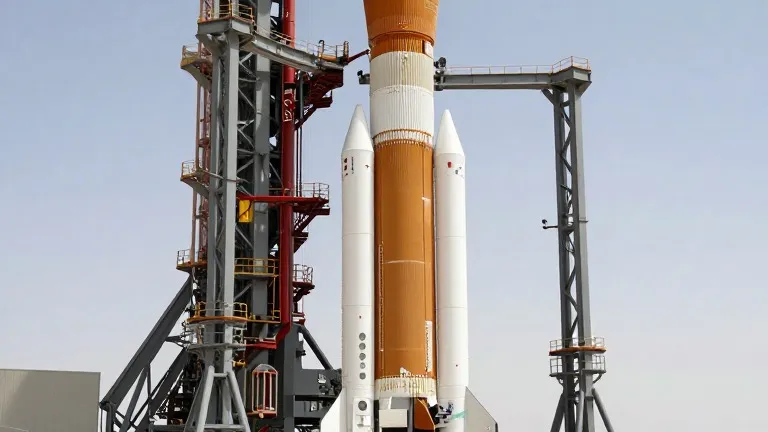
SpaceX has turned down three launch contracts from the US Space Force, a move that complicates the military's plans for dedicated orbital access. The company reportedly responded to the offers with a direct refusal, telling the Space Force "thanks, but no thanks." This decision stands out because it marks a rare instance where the dominant player in the launch market declines available government work.
The rejection coincides with a technical challenge on the civilian side. A NASA safety review panel indicated that the Starship vehicle might need up to 22 refueling operations to support a lunar landing. That high number suggests the mission architecture faces severe logistical hurdles, forcing engineers to account for complex orbital maneuvering before any crewed mission can proceed.
While US attention focuses on Starship, Spanish launch firm PLD Space is preparing its Miura 5 rocket for its first flight. The company targets a debut before mid-2027. The rocket currently undergoing final integration is one of three units PLD has built. CEO Raúl Torres stated that the other two vehicles are designed to qualify key system elements, allowing the company to test components before they are placed on the primary launch vehicle.
Torres explained that building all three rockets simultaneously has streamlined the production process. "Manufacturing these three vehicles has allowed our teams to work continuously across different stages of production and integration, applying the lessons learned from each qualification campaign directly to the launch vehicle," he said. This parallel development strategy aims to reduce the learning curve and accelerate the path to a successful first launch.
One Miura 5 second stage is now fully integrated, enabling system-level testing under realistic operating conditions. That stage is currently at PLD's Teruel test facility. The qualification campaign includes a wet dress rehearsal and a static hot-fire test, both of which are essential for validating the rocket's performance before it leaves the ground.
In Canada, startup Reaction Dynamics is seeking to raise $350 million to expand its workforce from 68 employees to more than 350. The company is developing a small-lift rocket called Aurora, which it hopes will reach orbit in 2028. It also announced plans for a medium-lift vehicle named Borealis, targeted to debut by 2031.
The next major milestone for PLD Space is the completion of the wet dress rehearsal at its Teruel facility. SpaceX has not announced new contract details since rejecting the Space Force offers. NASA is expected to release further guidance on the Starship refueling requirements following the safety panel's report.
Source: Ars Technica