Ukraine Forecasts First Contraction as Missiles Idle Steel and Grain Exports
Kyiv now projects a 0.4 percent GDP decline for 2026, a sharp reversal from earlier growth estimates, after attacks on industrial hubs and Black Sea shipping routes.
By Hassan Lawson ·
Ukraine’s central bank now expects the economy to shrink by 0.4 percent in 2026, a downward revision from the 1.8 percent growth forecast issued earlier this year. The shift reflects the direct impact of sustained Russian air campaigns on critical export industries and logistics infrastructure.
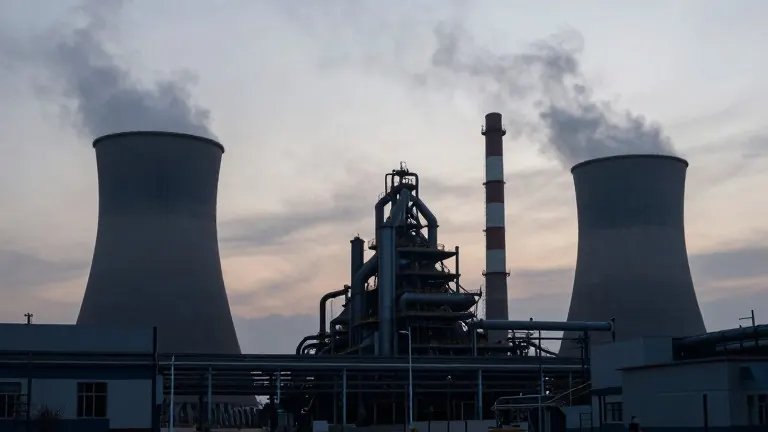
Steel production has come to a standstill at the Kamet facility in Kamianske. The plant, responsible for over 25 percent of the nation’s steel output in 2025, suffered damage from five ballistic missiles on September 5. Oleksandr Tretyakov, the company’s chief executive, described the halt as the worst since World War II. Steel previously contributed 6 percent to the gross domestic product, a sector that has effectively dropped to zero output.
The disruption extends beyond manufacturing into agriculture, a sector that generates up to 60 percent of Ukraine’s foreign currency earnings. Maritime data from Lloyd’s List Intelligence shows ship arrivals at Black Sea ports fell to 21 in August, a 90 percent decrease from the same period last year. Volodymyr Scavinskyi, trade director at exporter Nibulon, warned that the crisis could force the industry to restart development from scratch.
Shipping costs have risen sharply as vessels avoid the Black Sea due to insurance premiums and strike risks. Many cargo ships are rerouting through the Danube River, but low water levels caused by drought limit capacity. Barges that previously carried 1,500 tons now hold only 800 to 900 tons. Scavinskyi noted that the cost to transport a ton of corn from central Ukraine to Spain has tripled, rising from $50 earlier in the year to $150.
Farmers face pressure on both price and timing. Corn prices have fallen from an average range of $210 to $230 per ton last year to approximately $130. Olena Shelest, commercial director at HarvEast, said the company is holding wheat in silo bags but must sell by year’s end to secure cash for the next planting season. Producers are cutting spending on seeds and fertilizer to manage cash flow.
The fiscal strain is visible in government revenue. The central bank raised its inflation forecast to 12.5 percent, up from 10 percent in July. Governor Andriy Pyshnyy cited the intensity of attacks and global energy prices as key drivers. The government faces a cash shortfall of nearly $25 billion for 2026 and a projected gap of $32.6 billion in 2027, excluding in-kind military support.
Torbjörn Becker, director of the Stockholm Institute of Transition Economics, noted that Ukraine spends 40 percent of its GDP on defense, a level it cannot fully fund domestically. Raising taxes alone would not close the gap. Europe has become the largest source of aid, providing 137 billion euros since the war began, compared to 115 billion euros from the United States, according to the Kiel Institute for the World Economy.
Roksolana Pidlasa, head of the parliament’s budget committee, called the current period the worst cash squeeze since the 2022 invasion. The government has postponed construction and winter preparation projects to prioritize defense, salaries, and pensions. Without new funding, Pidlasa warned the treasury may struggle to pay teachers and doctors or maintain hospitals.
Source: ABC News
More Business · National news · Scam Watch · Report a business · Got a Story?