Genetically Engineered Military Dogs Set for 2027 Debut
A new venture backed by $200 million plans to clone and enhance canines for defense, aiming to replace the aging supply of imported working dogs.
By Ama Boateng ·
The first litters of genetically engineered war dogs are scheduled to be born in early 2027, marking the next step for a startup that emerged from stealth on Thursday. Warhound, a new company focused on creating canines for defense and emergency response, revealed its plans after securing a significant financial boost. The organization aims to have these enhanced animals ready for active service within two years, a timeline that suggests the biological components are already in the final stages of preparation. This development signals a shift in how the United States approaches the training and deployment of working animals for high-risk environments.
The financial foundation for this initiative is substantial. Warhound has raised $200 million in a funding round that values the company at $1.2 billion. The capital was provided by a group of investors that includes Sequoia, 8VC, Corner Ventures, and In-Q-Tel. In-Q-Tel is a venture firm supported by the Central Intelligence Agency and other U.S. intelligence agencies, indicating a strong governmental interest in the project’s potential. The size of the round reflects confidence in the company’s ability to deliver on its promise of engineering dogs with specific traits suited for demanding missions.
The project is the result of a collaboration between two prominent figures in the technology and biotech sectors. Ben Lamm, a leader at Colossal Biosciences, and Palmer Luckey, the founder of Anduril, conceived the idea approximately a year ago. Their partnership combines Colossal’s expertise in gene cloning and editing with Anduril’s capabilities in defense hardware and software. Lamm noted that the concept began when Luckey expressed a desire to do more for the military’s working dogs during a conference interaction. The two maintained contact, and Lamm subsequently researched the breeding practices of current working dogs to identify areas for improvement.
The primary driver for this venture is a growing concern over the supply of military working dogs. According to Warhound’s launch announcement, more than 80% of the U.S. military’s current working dogs are imported from Europe. Furthermore, fewer than half of these imported animals are ultimately fit for service. This reliance on foreign sources has created a dwindling supply of capable animals. The new dogs are intended to perform tasks that are dangerous for humans or difficult for machines, such as bomb detection, search operations, and other specialized duties. By engineering dogs with characteristics like improved health, longevity, speed, and enhanced olfactory sensors, the company hopes to reduce the number of animals that fail training due to inherited issues like poor eyesight, hip dysplasia, or muscle atrophy.
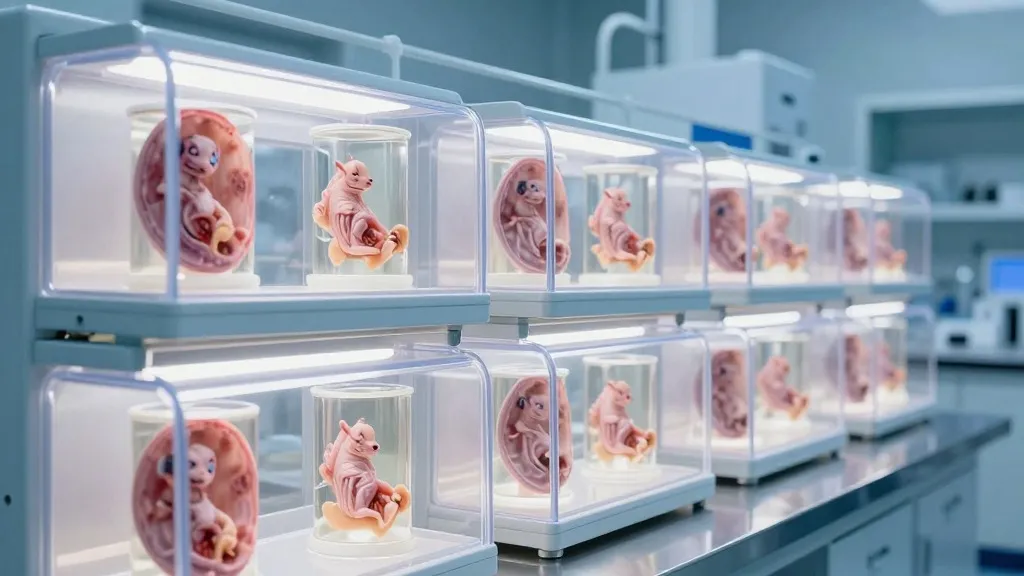
The technical process involves taking cell lines from top-performing breeds, specifically the Belgian Malinois and German Shepherd, and placing them in a biobank. The team will then edit these genes to add performance-enhancing traits and remove those associated with health problems. This work is being supported by Viagen, another company owned by Colossal, which will handle the cloning and incubation. Lamm stated that the first batch of dogs is about to be cloned, with births expected in the near future. The high success rate of Viagen’s cloning technology, which is also used in endangered species programs, is a key factor in the timeline.
Anduril’s role extends beyond the biological engineering. The company will provide software and hardware to assist the dogs and their handlers. This includes equipment such as protection vests and goggles designed to improve situational awareness and coordination. Lamm described the concept as adding enhancements "on top of the dog, not in the dog." For example, bulletproof vests equipped with data sensors could send real-time information back to handlers, allowing them to better understand the field conditions. This technological layer is intended to make the dogs safer and healthier beyond their genetic modifications, while also better protecting the human operators who work alongside them.
The business structure of Warhound is distinct from typical startups. Palmer Luckey is a partner in the venture but does not own equity in the company. Colossal Biosciences holds equity and supports the business by licensing its technology. Lamm explained that the goal is to ensure that if a dog is made safer and healthier, it will perform better in the line of duty. The company expects to sell these enhanced dogs to first responders, the Department of Defense, military service groups, and police forces. While the pricing model has not yet been determined, the target market is clearly established in the public safety and defense sectors.
Concerns regarding the welfare and safety of genetically modified animals have been addressed through partnerships with established organizations. Warhound is working under the guidance of the American Humane Society to help certify the training program for the new dogs. The American Humane Society stated that it applauds Warhound and Colossal for inviting the country’s first national humane organization to have a seat at the table. The society expressed its intention to work with the company to ensure the animals are treated humanely. Additionally, the hope is that when these military dogs retire, they will enter the Society’s Military Working Dog Reunification Program, which provides homes for retired service animals, or another program offered to assist the dogs.
The introduction of these engineered dogs into active service represents a significant change in military logistics. By reducing reliance on foreign-bred dogs and improving the health and performance of the animals, Warhound aims to address a long-standing challenge in the U.S. defense sector. The combination of advanced biotechnology and modern defense hardware offers a new approach to working animal deployment. As the first litters are incubated, the next two years will be critical in determining whether these genetically enhanced dogs meet the rigorous standards required for military and law enforcement operations.
Source: TechCrunch