iPod turns 25: The pocket player changed music
Twenty-five years after its reveal, the original iPod remains a landmark in portable audio, having moved music libraries into devices no larger than a deck of cards.
By Ananya Gupta ·
For consumers in 2001, the arrival of the original iPod signaled a fundamental shift in how personal music was carried and consumed. The device, priced at $399, promised to fit an entire music library into a pocket-sized unit, a claim that redefined expectations for portable audio at a time when smartphones had not yet matured to make dedicated players obsolete. This milestone marks the 25th anniversary of a product that became a ubiquitous accessory for gadget enthusiasts before the smartphone era rendered such specialized hardware redundant.
The device launched with a specific technical promise: 5GB of storage capacity. At the time, this allowed users to store approximately 1,000 songs, specifically typical pop tracks encoded as MP3s at 160Kbps. Apple’s CEO Steve Jobs emphasized during the presentation that for the average user, this capacity effectively represented their complete collection of music. The player supported standard audio formats of the era, including MP3, WAV, and AIFF, while delivering CD-quality sound.
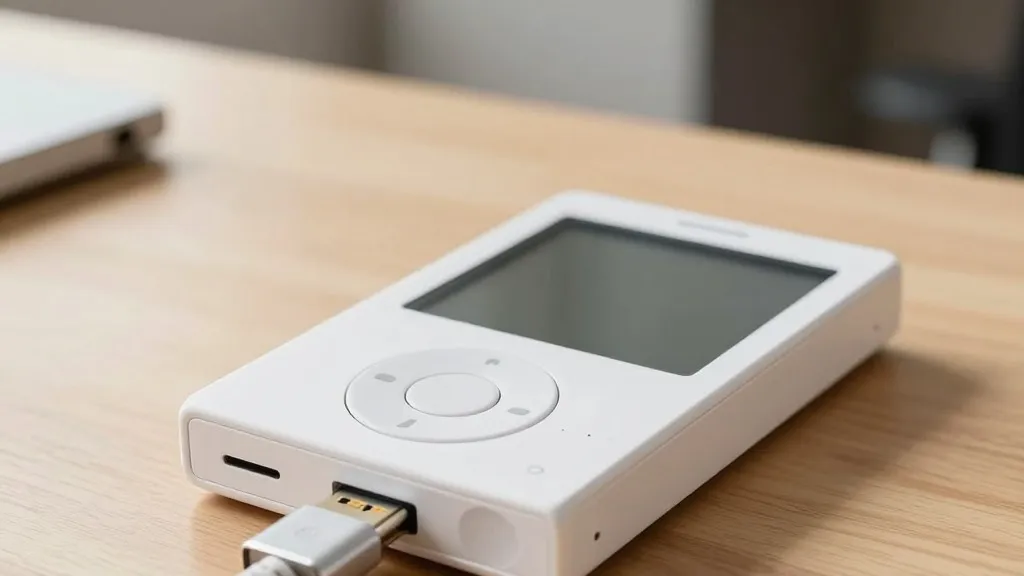
The physical design of the player was a critical differentiator in a crowded market. Utilizing a 1.8-inch hard drive from Toshiba, which was only 0.2 inches thick, Apple engineered a device measuring 2.4 by 4 by 0.78 inches. Weighing just 6.5 ounces, the unit was marketed as lighter than most contemporary cell phones. Jobs described the form factor as being comparable in size to a standard deck of cards, a dimension that highlighted the device's ultra-portable nature and durable, minimal aesthetic.
Connectivity and transfer speeds were central to the product's value proposition. The original iPod was the first music player to feature a FireWire 400 connection. According to Jobs, this interface allowed a full CD of music to be transferred to the device in five to 10 seconds. In contrast, USB connections available at the time were estimated to require around five minutes for the same task. Filling the entire 5GB capacity with 1,000 songs was projected to take only 10 minutes via FireWire, compared to an estimated five hours using USB-based alternatives.
Power management was designed for convenience, featuring a rechargeable lithium-polymer battery. Apple stated that the battery provided 10 hours of continuous playback. For users on the go, the device could be recharged to 80% of its capacity in just one hour. The single FireWire cable handled both data transfer and charging, simplifying the user experience by eliminating the need for separate power and data cables.
The user interface relied on a specialized control wheel equipped with a piezoelectric clicker for tactile feedback. This design allowed for single-hand operation and accelerated scrolling, enabling users to quickly locate songs by artist, playlist, or title. The system was built around the concept of "Apple’s legendary ease of use," aiming to reduce the complexity often associated with digital music management in the early 2000s.
Software integration was a third pillar of the launch strategy. The device debuted alongside iTunes 2, which introduced features such as MP3 CD burning and automatic syncing. The Auto-Sync feature ensured that any library curated on a Mac was mirrored to the iPod whenever the device was connected for charging or data transfer. Additionally, the iPod could function as an external FireWire hard drive, adding utility beyond music playback.
The launch occurred against the backdrop of Apple’s recent revival. By October 2001, the company had successfully navigated the post-dot-com bubble landscape with the Mac OS X era, iBooks, and iMacs. Jobs positioned the Mac as the hub of a digital lifestyle, connecting cameras, camcorders, and DVD players. He argued that the portable music player was a logical next step, noting that while competitors like Sony and Creative had existing products, none had found the correct recipe for digital music success.
The iPod line endured for nearly two decades, coexisting with the iPhone, which launched in 2007. The smartphone eventually absorbed many of the iPod's functions, leading to a gradual decline in the dedicated player's relevance. The final model, the 7th-generation iPod Touch, was released in May 2019. Although the product line was left unmaintained for several years, Apple officially discontinued the iPod brand in May 2022, closing the chapter on a device that had dominated portable audio for a generation.
Source: Tom's Hardware