Trump rallies across the country as approval lags and fraud claims persist
With polls open, the president’s direct appeals to voters coincide with a surge in early voting and a backdrop of low economic confidence.
By Hassan Lawson ·
President Donald Trump held dozens of rallies in the days leading up to the midterm election, ending his schedule on Sunday in Salina, Kansas. In his closing remarks, he told the crowd that he really wanted them to pretend he was on the ballot. This direct appeal to voters comes as the country prepares to decide who controls Congress for the final two years of the president's second term. The Associated Press describes the election as a referendum on his administration, with voters struggling with high prices and expressing anger over an unpopular war with Iran.
Recent polling data reflects the pressure on the president’s approval ratings. According to AP-NORC polling, 35 percent of U.S. adults approve of Trump's job performance, while only 25 percent approve of his handling of the economy. About seven in ten Americans say the country is heading in the wrong direction, and most blame the president for high prices. These numbers provide context for the intense campaigning that has defined the final weeks of the election cycle.
Many Republican candidates have kept their distance from the president during this final stretch. This strategic distancing appears to be a response to the political environment where the president's personal brand is both a draw for some voters and a liability for others. The president’s schedule included stops in Mississippi, South Carolina, and Texas, allowing him to address supporters in key states where the outcome remains uncertain. His presence on the ground contrasts with the more measured approach taken by many downballot candidates.
The issue of voting fraud has remained a central theme in the president's communications. He has continued to make claims that noncitizens vote in large numbers, a narrative that has driven several legal actions. His administration sued in Alaska and California, and Democrats fear interference and intimidation as the Justice Department threatens to prosecute local election officials. A federal judge temporarily barred the administration from carrying out a plan to prevent noncitizen voting, citing concerns that it risks disenfranchising eligible voters.
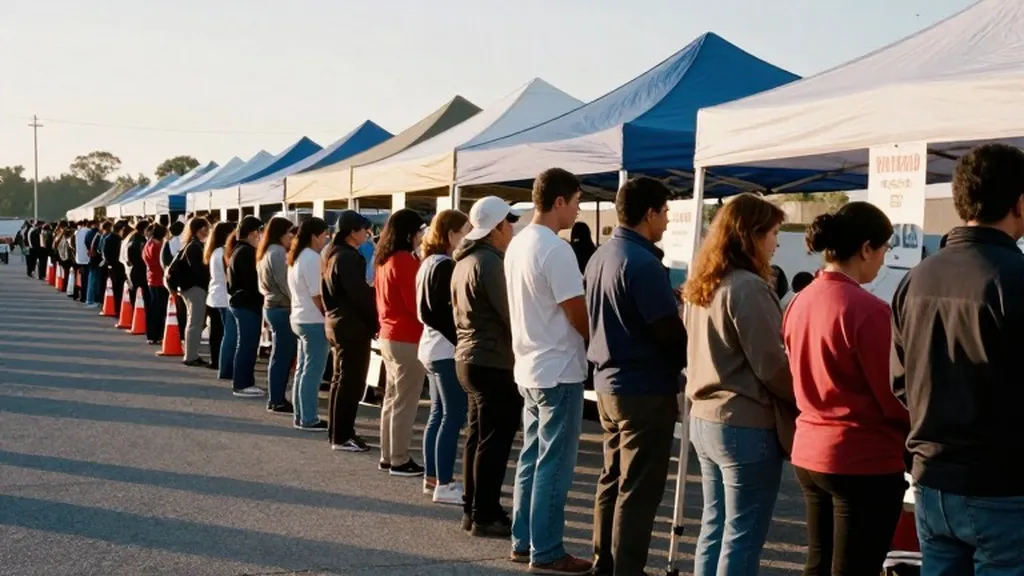
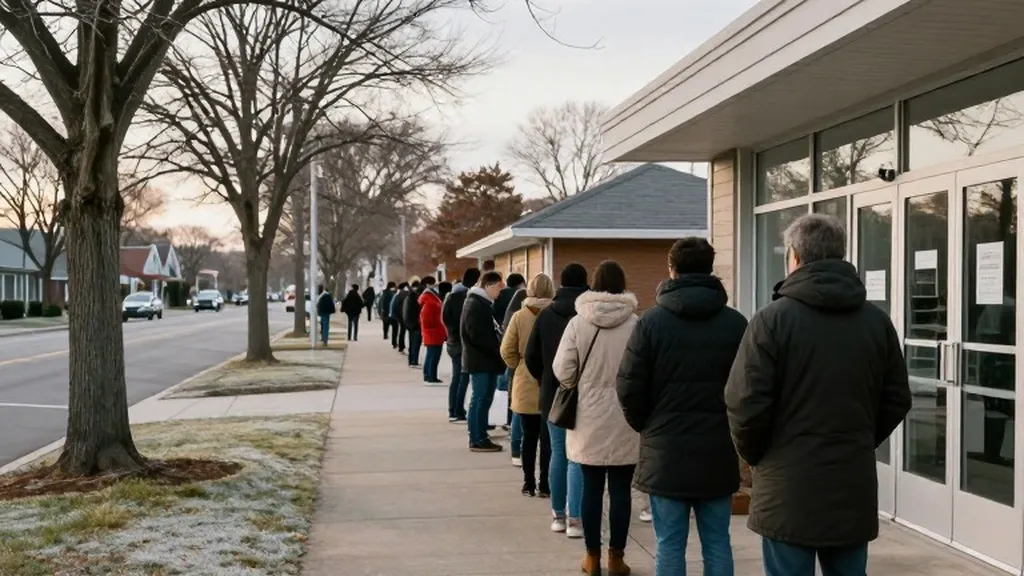
Despite the legal battles, voter participation has been robust. More than 57 million people had already voted as of Monday, surpassing the early vote of four years ago in many closely watched states. This surge in early voting suggests that voters are eager to cast their ballots before the polls open on Tuesday. The U.S. Postal Service added hours, staff, and special lines to ensure that mail ballots are counted on time, a logistical effort that highlights the importance of the election to the public.
Financial resources have played a significant role in the race. The 2026 elections are likely to be the most expensive in history, with Republican committees outraising and outspending their Democratic counterparts. This advantage is helped by Trump-affiliated groups and significant contributions from Elon Musk. However, at the candidate level, Democrats have outraised their opponents. Analysis of AdImpact data shows that 88.1 percent of Republican general election TV ad spending went to states and districts Trump won in 2024.
The stakes of the election are high for both parties. If Democrats win even one chamber, investigations and possible impeachment proceedings become likely. House Democratic Leader Hakeem Jeffries, who would be the first Black speaker, has outlined a 100-day agenda focused on the cost of living and oversight. A strong Democratic night would also boost potential 2028 candidates, including Gavin Newsom, JB Pritzker, and Pete Buttigieg. Conversely, Republicans are fighting to break the historical pattern of a president's party losing seats in midterms.
Voters in battleground states are weighing these national issues against local concerns. In North Carolina, former Governor Roy Cooper is campaigning against Michael Whatley, while in Georgia, Senator Jon Ossoff faces Representative Mike Collins. In Michigan, Abdul El-Sayed is competing against Mike Rogers, with the race becoming more competitive due to economic strain and tariffs. These races are part of a broader contest that includes 35 Senate seats and 36 governorships, all of which will shape the balance of power in the coming years.
The election also has implications for the broader economy and financial markets. Wall Street is watching for more than just control of Congress, as results could add to investor concerns about AI spending and debt ceiling negotiations. The outcome of the House and Senate races will determine the legislative agenda for the next two years, including bills related to healthcare, infrastructure, and trade. The president's role in this process will be significant, as he seeks to maintain a unified message with his party.
As polls open across the country, voters in states like Alabama, Alaska, and Arizona are casting their ballots in person or by mail. The Associated Press notes that Republicans are bracing to lose the House while fighting to hold the Senate, with Democrats described as cautiously optimistic. The final outcome will depend on turnout, as RNC Chairman Joe Gruters stated that everything depends on getting voters to the polls. The day will be a test of the president's influence and the resilience of his party's organization.
The election concludes with the closing of polls in various time zones, with states like New York and Hawaii closing later than others. The results will not be immediate in many areas, as mail ballots are counted and provisional ballots are verified. The Associated Press and other news organizations will monitor the returns closely, providing updates on key races in the House, Senate, and governorships. The outcome will set the stage for the final two years of the Trump administration and the beginning of the next political cycle.