Trump's $5,000 Dividend: A Vote-Buying Gamble or Economic Reward?
The $5,000 payment was tied to Republican victory, but experts note the lack of a funding plan and the need for legislative action.
By Alexander Novak ·
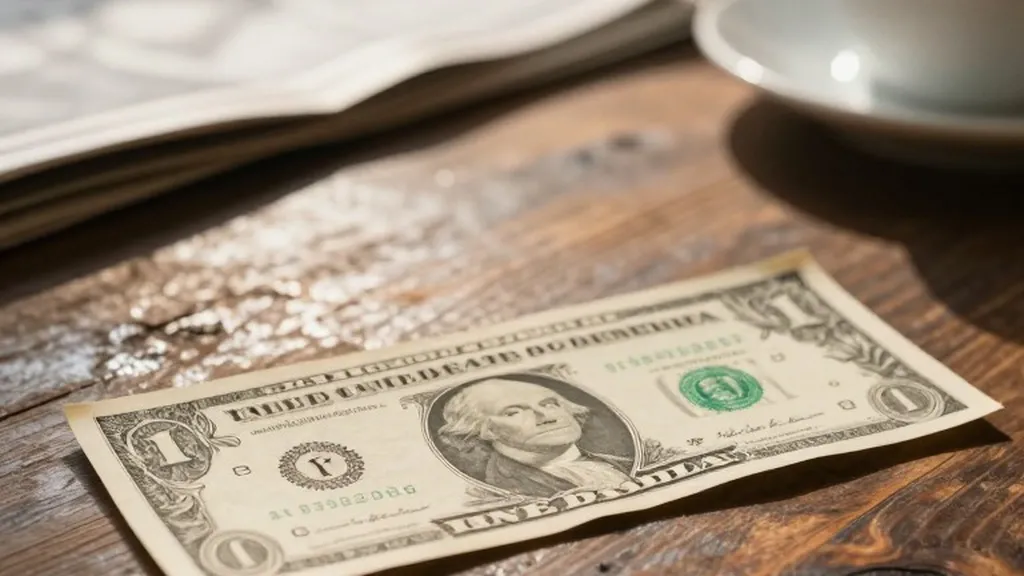
President Donald Trump’s pledge to send $5,000 to every American adult if Republicans retained control of Congress has become a central question for voters in the 2026 midterm elections. The promise, known as the Trump dividend, was made at the Republican Midterm Convention in Dallas last week. It was designed to appeal to voters concerned about the cost of living and the administration’s economic policies.
According to the Associated Press, Trump told the crowd, 'If the Republicans win, you win with us and you get $5,000.' He stated that the payment would be called the Trump dividend and would go to every adult citizen in the United States. The proposal is tied directly to the outcome of the federal elections held on Tuesday, November 3, 2026.
The timing of the promise has led to questions about whether it was an attempt to buy votes. Election law expert Rick Hasen of the UCLA School of Law noted that while the move is likely legal under the First Amendment, it is unusual. Hasen explained that the president does not have the power to issue the checks on his own and must rely on Congress to approve the spending. This creates a complex dynamic where a campaign promise becomes a legislative requirement.
House Speaker Mike Johnson addressed the logistics of the plan in an interview with the Associated Press. Johnson stated that congressional approval is needed for the payments to proceed. He described the idea as creative and pledged to work with the president to find a consensus in Congress. However, Johnson also acknowledged that the Republican party holds a small majority in the House, which could make passing such a large spending bill difficult.
PolitiFact has analyzed the feasibility of the Trump dividend and found that the biggest payment is far from certain. The fact-checking organization noted that the administration has not announced a formal plan for how the checks would be distributed. There is also no clear source of funding that can cover the cost without significantly increasing the national debt. The White House cited tariff revenues as a potential source, but experts have raised doubts about whether that income is sufficient.
The cost of the proposal is estimated to be between $1.1 trillion and $1.2 trillion, depending on the exact number of eligible adults. The U.S. Census Bureau estimates there are about 245 million adult citizens. Erica York, a senior economist at the Tax Foundation, wrote that the cost would spend almost all the revenue that new tariffs are projected to bring in over a decade. This has raised concerns about the long-term impact on the federal budget and inflation.
Bipartisan criticism has emerged regarding the timing and the scale of the payment. Some Republicans, including Texas Congressman Chip Roy, have questioned the price tag, with Roy writing on social media that dependency is evil in all its forms. Democrats have argued that the promise is a last-ditch effort to secure votes after a campaign focused on economic anxiety and the war in Iran. The proposal adds to a list of other payments, such as $90 Medicare refunds and $500 ACA refunds, that have been announced in recent months.
The Associated Press reported that the economy was a top concern for voters in the 2026 midterms. Record Election Day diesel and gasoline prices helped push Americans toward Democrats, with voters citing the cost of living in their decisions. Exit polls showed that dissatisfaction with the country's direction was high, particularly in red states. The Trump dividend was intended to counter this sentiment by offering a direct financial benefit to voters who supported the Republican platform.
Vice President JD Vance told Fox News that the money for the checks would come from tariff revenue and would primarily benefit the American middle class and workers. However, the White House did not provide specific details on how the payments would be processed or when they would be issued. PolitiFact noted that the lack of a formal plan makes it difficult for voters to assess the likelihood of actually receiving the funds. The uncertainty has left many Americans wondering if the promise will be kept once the election is over.
The result of the 2026 midterm elections will determine whether the Republican party has the control necessary to pursue the Trump dividend. Democrats have vowed to use their majority in Congress to investigate corruption and oversee the administration’s spending. If Republicans had retained control, the debate over the $5,000 checks would have moved to the legislative floor. As it stands, the promise serves as a key example of how financial incentives are being used in modern political campaigns.
The Associated Press noted that the election results were a referendum on President Trump’s second term. Voters were angry over high prices and the war in Iran, and concerned about government corruption. The Trump dividend was one of the most discussed topics during the final stretch of the campaign. Whether it was seen as a generous reward or a costly gamble remains a point of contention among political analysts and the public.