US and Iran stall on nuclear terms despite diplomatic push in Doha
Negotiators in Qatar have agreed on implementation timelines, but Washington and Tehran remain divided over sanctions and the fate of Iran's enriched uranium.
By Alexander Novak ·

Diplomatic sources reported that US-Iran talks have reached a stalemate on nuclear issues, even as both sides made gains on logistical frameworks for a potential deal. While negotiators in Doha advanced discussions on the timeline for implementing an agreement, officials confirmed that major divides persist regarding Tehran's nuclear program.
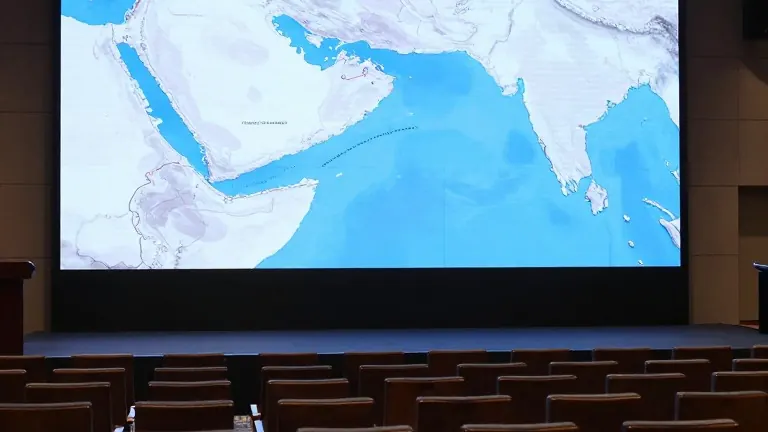
An Iranian delegation spent several days in Doha for indirect talks mediated by Qatar. The sessions focused on de-escalating the eight-month-old conflict. Proposals discussed included a two-day framework for reopening the Strait of Hormuz and resuming broader peace negotiations. One source familiar with the process described the atmosphere as optimistic, noting that while work remained, an agreement was possible.
The core dispute centers on the sequencing of concessions. Tehran demands that Washington lift recent sanctions, reinstate oil waivers, and reduce its regional military presence before addressing nuclear restrictions. US officials hold the opposite view. Following outreach by Vice President JD Vance to Iranian security chief Mohsen Rezaei, Washington insists that any comprehensive deal must address nuclear concerns from the start.
President Donald Trump characterized the negotiations as unreliable during a press appearance on Sunday. He stated that Iran often backs out of agreements. Trump also identified one or two specific sites in Iran's nuclear program that the United States needs to address, asserting that the US could handle those sites in 10 minutes.
Military coordination is ongoing alongside the diplomacy. Prime Minister Benjamin Netanyahu and President Trump spoke by phone on Saturday. This call occurred days after United States Central Command commander Adm. Brad Cooper briefed Trump on military options for a possible operation against Iran.
Iranian Deputy Parliament Speaker Ali Nikzad stated that Iran has no intention of negotiating over its nuclear program, regardless of external pressure. Dr. Raz Zimmt of the Institute for National Security Studies analyzed the impasse, noting that the US is prepared to lift reversible measures like the naval blockade in exchange for nuclear actions such as inspector visits or action on enriched uranium. Iran is prepared to reopen the Strait of Hormuz but refuses to give up its enriched uranium, instead demanding the permanent unfreezing of Iranian assets.
Zimmt described the deadlock as difficult to resolve because neither side wants to make an irreversible concession. He noted that the US can reinstate sanctions if the deal fails, while Iran cannot easily recover its enriched uranium. Despite these structural barriers, Zimmt said a temporary compromise remains possible given the risks of further military confrontation.
Source: The Jerusalem Post