Midterm Election: Democrats Take Control of Both Chambers of Congress
Voters in Texas, Kansas, and South Carolina flipped long-held Republican Senate seats, driven by high fuel costs and anger over presidential wealth.
By Hassan Lawson ·

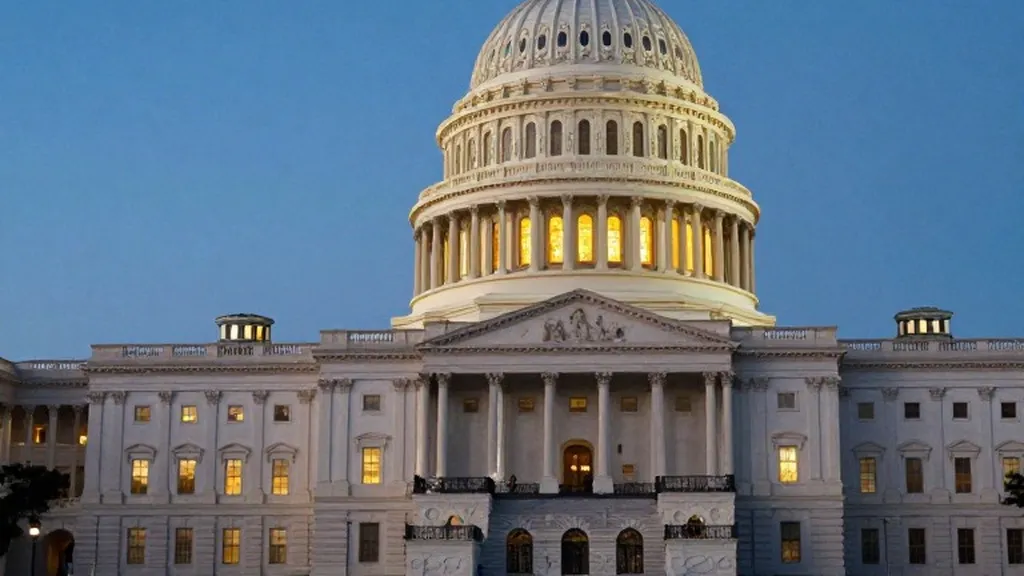
US voters rejected President Donald Trump and his MAGA movement on Tuesday, granting the Democratic Party control of both the House of Representatives and the Senate. The result shifts the balance of power after the first two years of Trump's second term. Polls point to anger over the cost of living as the primary driver of this electoral outcome.
President Trump campaigned on a strategy that asked Americans to vote as if his name were on the ballot. That approach failed to stop a broad Democratic surge. Democratic candidates focused their messages on lowering living expenses. They won seats across the country, including in conservative states that had not elected a Democratic senator in decades. Texas, Kansas, and South Carolina all flipped to blue.
The decision to launch the US-Israeli war on Iran in February helped turn voters against the administration. The conflict caused global energy prices to spike. Tehran closed off the strategic Strait of Hormuz, which restricted the movement of oil and liquefied natural gas. This disruption made fuel and food harder for consumers to afford. Democratic challengers used these rising costs to pin responsibility on the president.
An Associated Press survey of approximately 80,000 voters across all 50 states showed widespread economic frustration. Three-quarters of respondents described the state of the US economy as poor or not so good. Four out of five said inflation caused moderate or severe hardship for their households. Joseph Ura, chair of the Department of Political Science at Clemson University, called the night a historic victory. He noted that early signs indicated Democrats were winning every seat they could reasonably hope for.
Economic strain hit rural communities hard, areas that have traditionally supported Republicans. Andrew Gawthorpe, a lecturer on US history and politics at Leiden University, observed that rural white voters swung toward the Democrats because of gasoline prices. He explained that people in these areas rely heavily on cars, making them acutely aware of rising energy costs. Ura added that Democrats performed well in areas that voted for isolationist candidates in 2024, where voters were disappointed in Trump's decision to engage in another foreign war.
Allegations of government corruption and private enrichment also motivated many voters. More than half of the AP-polled voters listed corruption and the cost of living as crucial to their decision. These concerns outweighed worries about immigration enforcement and the war on Iran. Democratic politicians have accused the president and his family of amassing billions of dollars through policies that benefit their personal business interests.
Financial disclosures show the president made more than $1.4 billion in cryptocurrency business deals. This income included proceeds from his $TRUMP meme coin and World Liberty Financial, a crypto firm he co-founded with his sons. Investors linked to the United Arab Emirates put half a billion dollars into World Liberty Financial days before the inauguration. Democrats cited this move as an example of influence-buying. Gawthorpe suggested voters are more incensed by personal enrichment now because their economic situations have worsened.
Gawthorpe explained that voters may have forgiven past actions when the economy seemed to be running well. The combination of rising prices and blatant wealth creation created a strong connection in the minds of the electorate. This connection fueled the electoral upset. The full impact of this blue wave is expected to reshape the Republican Party as the new congressional leadership settles in.
Source: France 24
More Politics · World news · Report a business · Got a Story?