Tesla Q3 2026: Margins Recover as Profits Still Slide
The electric vehicle maker posted a flat quarter for California drivers, with revenue stable but operating income falling sharply due to massive spending on AI and robotics.
By Hassan Lawson ·
For California residents and investors tracking the EV giant, the bottom line remains unchanged: Tesla’s revenue held steady, but the path to profitability is getting steeper. The company just released its third-quarter financial results, confirming that while sales volume stabilized, the cost of building the future is eating into current profits.
Tesla reported $28.05 billion in revenue for the quarter, matching Wall Street expectations of $28.06 billion. However, non-GAAP earnings per share came in at $0.48, slightly beating the consensus estimate of $0.45 but still down 4% from the same period last year. This represents a modest recovery from the second quarter, when margins were squeezed to the bone, but the overall downward trend in profitability persists.
The core issue is that spending is outpacing growth. Operating income dropped 56% year-over-year to $718 million, resulting in an operating margin of just 2.6%. This decline is driven by a 39% surge in operating expenses, primarily due to heavy investment in research and development. R&D costs jumped 69% to $2.76 billion as Tesla pours money into its "Super Intelligence" initiative, the Optimus robot, and the Cybercab.
Automotive gross margin, excluding regulatory credits, improved to 18.1% from 16.3% in the previous quarter. Tesla attributes this improvement to a better product mix and increased revenue from Full Self-Driving (FSD) subscriptions. However, this gain was not enough to offset the massive increase in spending. On a GAAP basis, net income fell 43% to $787 million.
Capital spending reached $4.73 billion, more than double the amount spent a year ago. This aggressive investment has left Tesla with $13.01 billion in capital expenditures through the first nine months of 2026. To meet its annual guidance of over $25 billion, the company would need to spend nearly $12 billion in the fourth quarter alone, a significant jump from its recent spending pace.
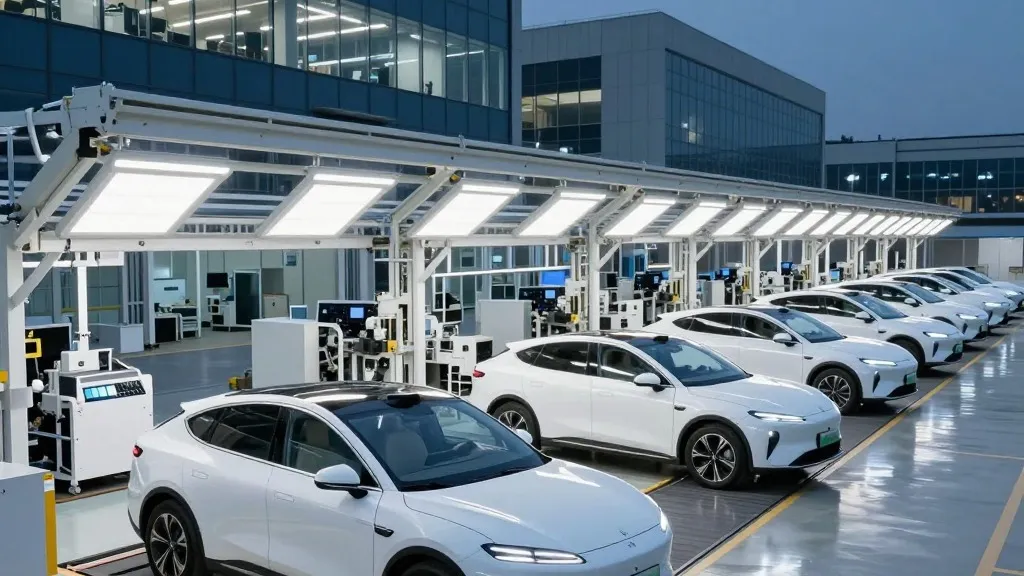
Tesla cited battery availability as the primary constraint on vehicle production, stating it ended the quarter with its largest passenger vehicle backlog in four years. Despite this, deliveries fell 2.1% year-over-year to 486,532 vehicles. The company also noted that average selling prices continued to decline, a trend that typically suggests strong demand rather than supply constraints.
The energy storage segment saw a 16% drop in revenue to $2.88 billion, partly due to tariff-related refunds, even though deployments increased. Conversely, the services division, including charging and insurance, saw a 33% revenue increase to $4.61 billion, marking a record for gross profit in that area.
Management will discuss these results further in an earnings call scheduled for later today. The key question for stakeholders is whether the heavy investment in AI and robotics will eventually translate into higher margins, or if the spending cycle will continue to pressure earnings in the coming quarters.
Source: Electrek · original report published
More Business · Scam Watch · Report a business · Got a Story?