Trump demands AI data centers pay locals
The President urges hyperscalers to distribute energy profits to nearby communities to offset rising utility bills and noise complaints.
By Alexander Novak ·
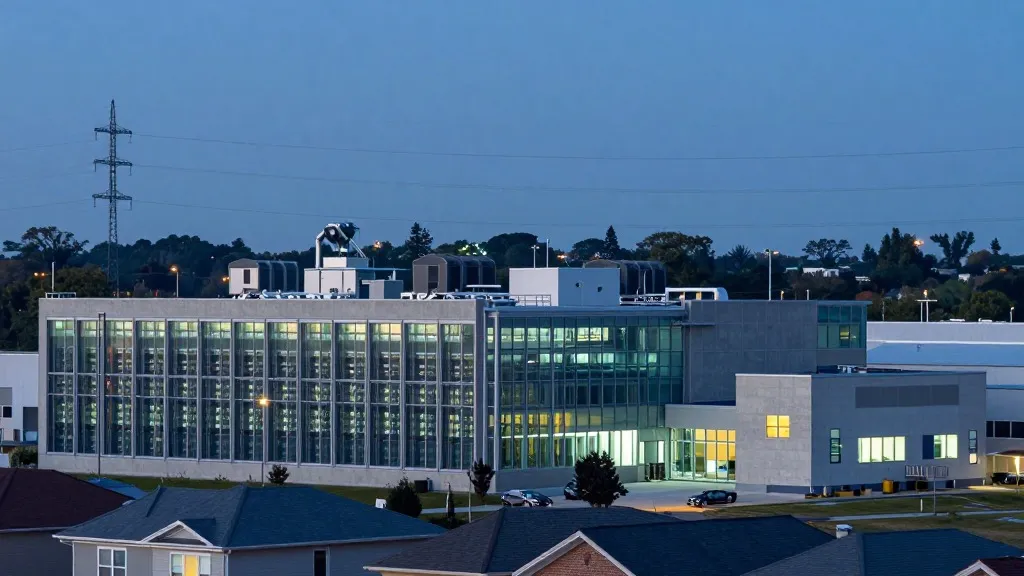
Tensions between rapid technology expansion and local infrastructure have become a focal point of national debate. President Donald Trump has issued a directive urging data center operators to provide financial and energy benefits to the communities hosting their facilities. This move aims to address growing resistance from residents who feel the burden of new AI infrastructure.
In a post on Truth Social, the President outlined a plan where companies must not only generate their own power but also return excess energy or sell it back to local grids. The goal is to make these facilities more acceptable by directly offsetting rising electricity costs. Trump emphasized that this approach could even lower prices for nearby households, creating a tangible benefit for residents.
The administration is driven by a dual desire to maintain a competitive edge against China in the AI race while mitigating local backlash. Community protests have cited several issues, including noise pollution, water shortages, and air quality concerns. By mandating a form of dividend, the White House hopes to transform these unpopular projects into welcomed neighbors through financial incentives.
A recently passed act already requires data centers to cover the costs of grid upgrades, preventing these expenses from being passed on to local taxpayers. The new directive builds on this by suggesting that excess power generation should further reduce local utility bills. This strategy attempts to link the financial health of the data centers with the economic well-being of the surrounding area.
Trump argued that financial deals often turn unpopular projects into popular ones. He urged developers to "MAKE DEALS, and get them built!!!" reflecting a push for accelerated construction. The President believes that a clear financial benefit will smooth the path for new developments in areas previously resistant to such large scale infrastructure.
However, the practical implementation of these dividends remains uncertain. Critics note that new data centers often operate at a loss during the initial years while recouping construction costs. The term "dividend" typically implies profitability, which may not apply to these ventures in the short term. This raises questions about the immediate financial capacity of these companies to provide meaningful support to locals.
Additionally, the source of this excess energy is a point of contention. Current short term power solutions for these facilities often rely on gas powered generators, which can be noisy and polluting. While the financial benefit may be clear, residents may still face the environmental downsides of nearby generation equipment. The long term transition to cleaner sources could take time, leaving local communities to balance immediate costs against ongoing environmental impacts.
The outlook suggests that while the policy aims to ease friction, it may not resolve all concerns. Water usage and ecological damage remain significant hurdles that money alone may not fix. Whether this mandate will successfully win over skeptical communities or simply add another layer of complexity to an already contentious issue remains to be seen. The coming months will reveal if these financial incentives are enough to change the public mood.
Source: Tom's Hardware · original report published