U.N. vote on Cuba embargo follows heated floor dispute between ambassadors
Diplomats clashed on the General Assembly floor Tuesday as the annual resolution condemning the U.S. trade ban moves toward a Wednesday vote.
By Alexander Novak ·
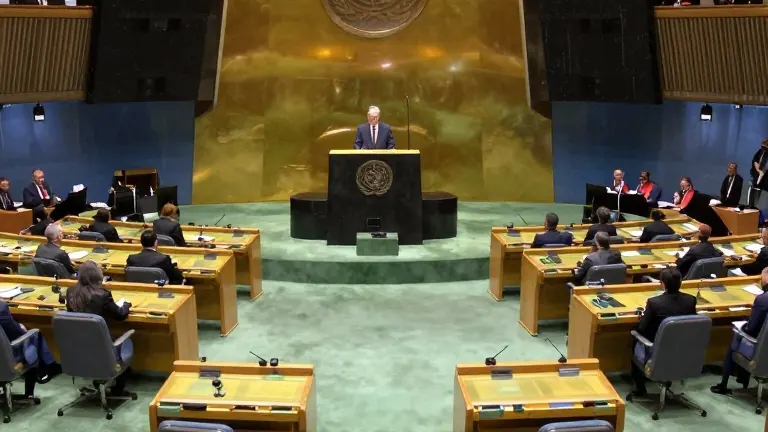
United Nations General Assembly members are scheduled to vote Wednesday on a resolution condemning the United States economic embargo on Cuba. The annual measure, which has passed with broad support for 34 consecutive years, faces a backdrop of rising tensions between Washington and Havana. Last year, the resolution passed with 165 votes in favor, seven against, and 12 abstentions. While a similar margin is expected this time, officials are watching to see if the Trump administration's pressure campaigns will shift the votes of Western allies.
The current dispute follows a long history of economic friction. The U.S. first imposed the embargo in 1960 after Fidel Castro led a revolution that overthrew Fulgencio Batista and nationalized assets owned by American citizens and corporations. Since then, Cuba has managed severe financial instability. In late January, President Donald Trump announced tariffs on any nation selling or providing oil to Cuba. That move effectively cut off fuel supplies, leading to widespread power outages that disrupt cooking, water services, and internet connectivity.
Relations have deteriorated further this week. President Trump recently suggested that U.S. warships returning from operations in Iran might stop in Cuba. This comment added to the pressure from the administration's maximum pressure policy. The diplomatic friction moved into the public eye on Tuesday during a General Assembly session.
U.S. Ambassador Mike Waltz and Cuban Foreign Minister Bruno Rodríguez engaged in a loud argument on the floor of the chamber. The conflict began as Waltz criticized the Cuban government. Rodríguez then walked to the podium where Waltz was speaking and asked the presiding officer for a point of order. He called the U.S. envoy a liar while attempting to interrupt the speech.
Waltz responded by telling the assembly that the Cuban official needed to step back. U.N. security personnel tried to intervene as the two men continued to exchange words. Waltz told the room, "This individual needs to back away from this podium. He's not going to intimidate me in the United States of America. You understand who you're dealing with? This is America. Back up."
Rodríguez addressed the incident later in a post on the social media platform X. He noted that Waltz was speaking at the United Nations, not at a national security meeting at the White House. Rodríguez stated that with his crude lies, the U.S. government launched another desperate attempt to justify its economic aggression and the energy blockade against Cuba.
A similar confrontation occurred a week earlier outside a U.S.-hosted panel. That event featured Cuban dissidents and former prisoners who discussed the island government's conduct. The repeated clashes mark a departure from traditional diplomatic etiquette at the U.N. The upcoming vote will test whether the international community maintains its historical stance against the embargo despite these public disputes.
The resolution is not legally binding, but it serves as a measure of global opinion on the U.S. policy. The General Assembly will record the final tally on Wednesday. The outcome will reflect the current diplomatic climate between the two nations as they continue to navigate their economic and political differences.
Source: ABC7 Los Angeles