Voters Weigh Tariffs and Inflation in High-Stakes Midterms
AP-NORC data shows economic anxiety driving the midterm vote as early ballots surge in key states.
By Lucia Orlov ·
Voters across the United States are casting ballots on Election Day with the cost of living and economic performance serving as the central focus of the campaign. The Associated Press describes this midterm election as a referendum on President Donald Trump's second term, noting that many citizens are struggling with high prices and expressing anger over an unpopular war with Iran. This economic pressure is shaping the narrative in battleground states where control of Congress is being decided.
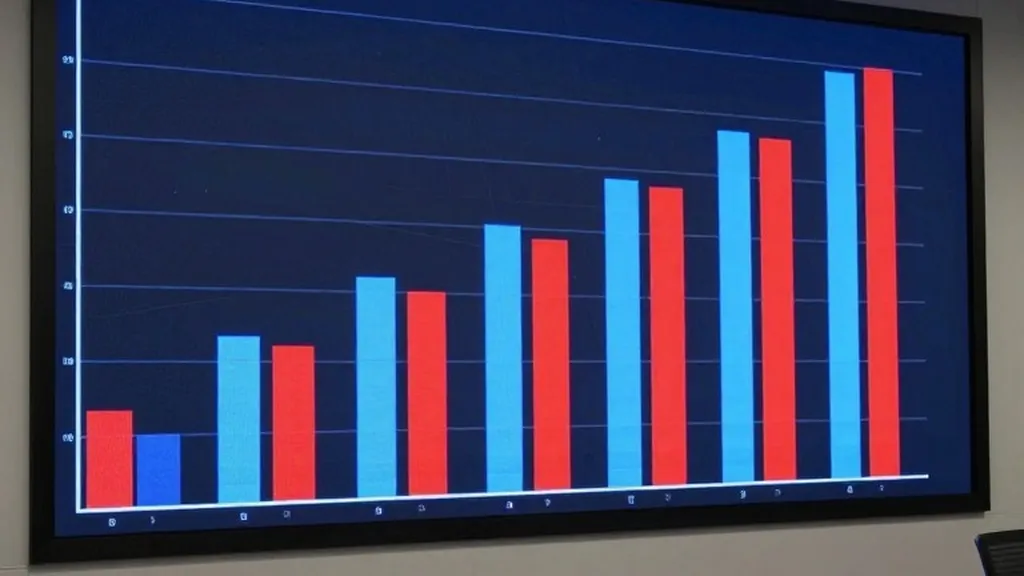
New polling data from the AP and NORC Center indicates that 35% of U.S. adults approve of the president's job performance, while only 25% approve of his handling of the economy. Approximately seven in ten respondents say the country is heading in the wrong direction, and most of those blame the administration for rising prices. These numbers underscore the financial strain that is influencing voter choices in both the House and Senate races.
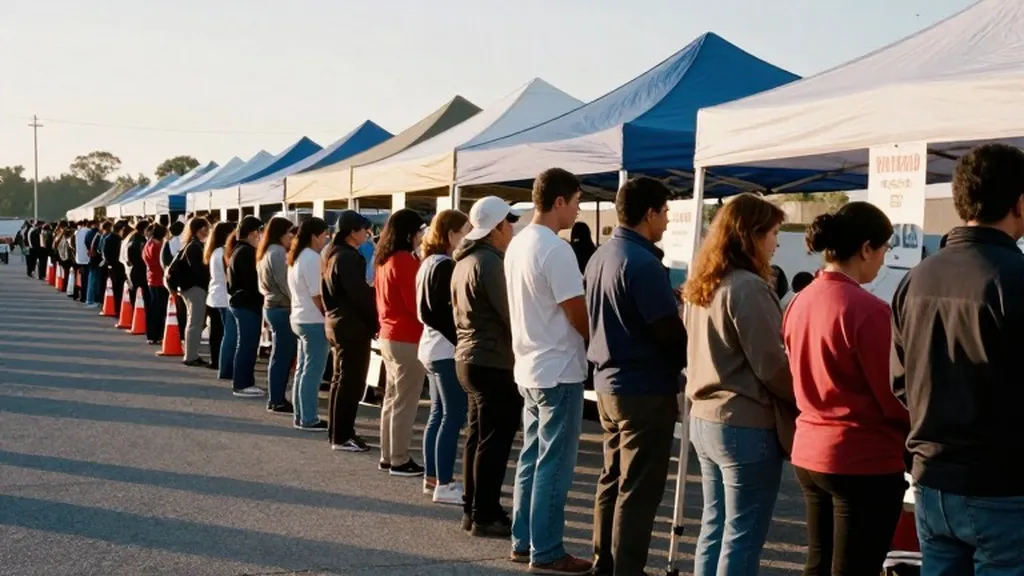
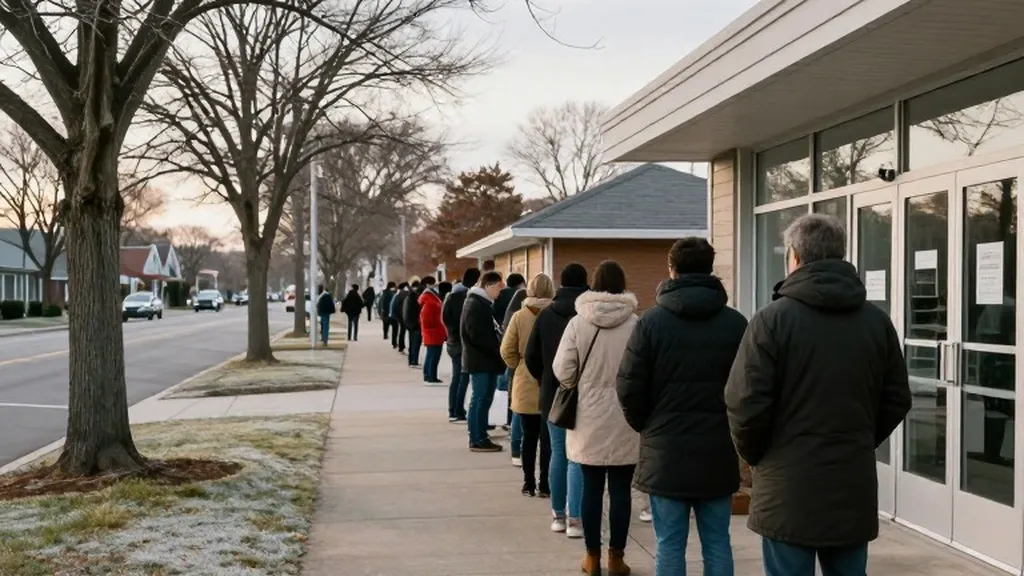
The surge in early voting has been significant, with more than 57 million people having already cast their ballots as of Monday. This figure surpasses the early vote totals from four years ago in many closely watched states. In North Carolina, a key Senate race, the economic mood is palpable. James Moore, a 57-year-old librarian in Raleigh, told the Associated Press that he is paying more taxes, more for healthcare, and more for everything. His sentiments reflect the broader concern about household budgets that is driving Democratic hopes for a change in power.
In Palm Beach Gardens, Florida, the economic narrative is viewed through a different lens. Mark Barker, a local voter, told the Associated Press that he has been following the president closely and believes he is doing an awesome job. This split in voter perception highlights the complexity of the economic message, with some voters feeling relief and others feeling the weight of inflation and tariff impacts. The AP notes that economic strain and tariffs have made states like Maine particularly competitive in the Senate race.
The financial resources of the campaigns are also a factor in this economic-focused election. The 2026 elections are likely to be the most expensive in history. Republican committees have outraised and outspent their Democratic counterparts, aided by Trump-affiliated groups and Elon Musk. However, at the candidate level, Democrats have managed to outraise their opponents. According to AP analysis of AdImpact data, 88.1% of Republican general election TV ad spending went to states and districts that Trump won in 2024, including more than $850 million in areas where he won by 10 points or more.
Democrats are approaching the day with cautious optimism, aware that they need a net gain of three House districts and four Senate seats to secure majorities. The House currently has 435 seats up for election, with Republicans holding 218 and Democrats 214. In the Senate, 35 seats are contested, and Democrats need to gain four seats to take control. The AP reports that one or two seats could tip the balance in either chamber, making the economic argument critical in these tight races.
The president has been actively campaigning to support his party, holding dozens of rallies that ended Sunday in Salina, Kansas. There, he urged voters to pretend he was on the ballot. His schedule included stops in Mississippi, South Carolina, and Texas. Despite the high profile of the president's campaign, many Republican candidates have kept their distance, focusing on local economic issues rather than national politics. This strategy reflects an effort to appeal to voters who are primarily concerned with their immediate financial well-being.
The administration has also been involved in legal battles over election administration, which adds another layer to the economic narrative. A federal judge temporarily barred the administration from carrying out a plan to prevent noncitizen voting, a move that critics say could disenfranchise eligible voters. Additionally, a judge ordered the administration to stop demanding that California election officials segregate ballots cast by people on lists of suspected noncitizens. These legal developments have raised concerns among Democrats about potential interference in the vote counting process.
The U.S. Postal Service has added hours, staff, and special lines to ensure that mail ballots are counted on time. This logistical effort is crucial in states where mail voting is prevalent. Wall Street is also watching the results closely, with Reuters noting that the outcome could add to investor concerns about AI spending and debt ceiling negotiations. The economic stakes extend beyond the ballot box, affecting financial markets and national policy directions.
As polls close, the focus remains on who will control Congress for the final two years of the president's term. If Democrats win even one chamber, investigations and possible impeachment proceedings become likely. House Democratic Leader Hakeem Jeffries has outlined a 100-day agenda focused on the cost of living and oversight, signaling the economic priorities that would guide a Democratic-led Congress. The results will determine the direction of economic policy and the balance of power in Washington.
The election also features new congressional maps in six states after mid-decade redistricting. California, Florida, Missouri, North Carolina, Tennessee, and Texas are using these new maps, along with Ohio. These changes may alter the competitive landscape, particularly in states where the economic vote is closely divided. The interplay between redistricting and voter sentiment will be a key factor in the final tally.