Nvidia’s Tiny Robots Become Instant Holiday Favorites
Viral footage of the CEO demonstrating Microducks at a recent conference spurred over 20,000 preorders, positioning the waddling devices as top contenders for Christmas.
By Min-jun Kim ·
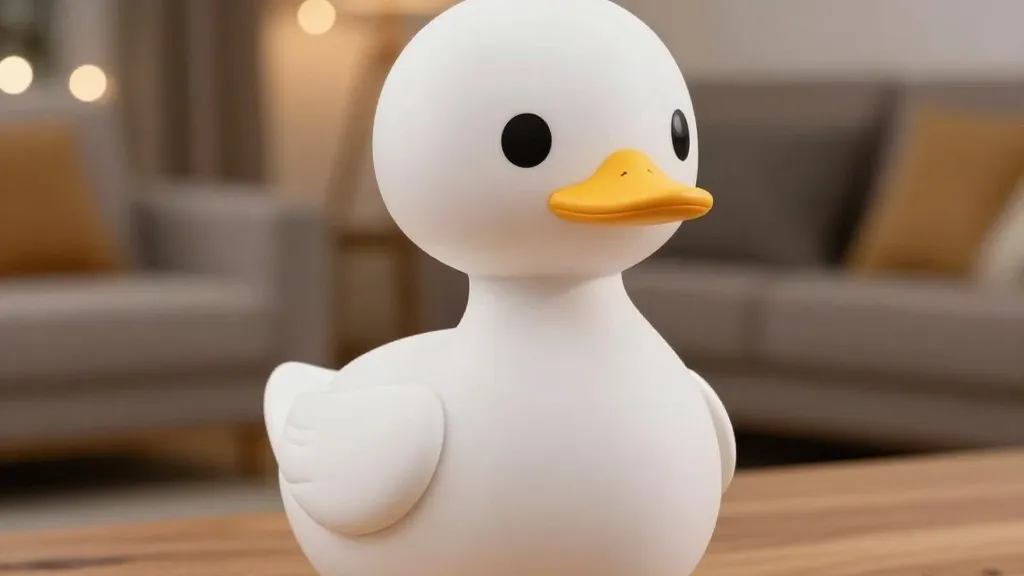
For shoppers in California and across the country, the search for the perfect holiday gift just gained a quirky new contender. Within 24 hours of a high-profile demonstration at a major tech conference, preorders for a small, autonomous robot exceeded 20,000 units. This rapid surge in interest suggests that these waddling companions are well on their way to becoming one of the most sought-after items of the upcoming Christmas season.
The spike in popularity was triggered by a video that spread rapidly online earlier this week. During his keynote address at GTC Berlin, Nvidia CEO Jensen Huang interacted with a group of Microducks. The footage showed the robots performing basic maneuvers, including stomping their feet, sitting, and executing somersaults on voice commands. They also produced small mechanical sounds and would occasionally collapse to the floor for a simulated nap, a feature that delighted many viewers.
Clem Delangue, the head of Hugging Face, confirmed the preorder numbers via social media. He noted that the demand indicates the Microducks could finish as the best-selling robot of the year. Interestingly, Delangue suggested that these devices might not be limited to children. Promotional materials have consistently featured adults engaging with the robots, hinting that they appeal to a broader demographic looking for interactive, open-source technology.
The Microducks are developed by Pollen Robotics, a firm acquired by Hugging Face in 2025. Since Nvidia purchased Hugging Face in September, the robot line now falls under the GPU giant’s corporate umbrella. This is not Hugging Face’s first foray into robotics; they previously released the Reachy Mini, another small device that garnered attention for its design. The Microducks represent a follow-up to that earlier project, leveraging the same open-source philosophy.
Under the hood, the robots utilize Nvidia’s technology stack to learn their initial behaviors. Simulations taught the devices fundamental tricks such as walking, sitting, and standing, which are included in the factory settings. However, the system is designed for extensibility. Pollen Robotics states that owners can teach their specific units new commands and then share those custom routines with the wider community, fostering a collaborative user base.
The timing of the launch is significant, as deliveries are scheduled to arrive in time for the holidays. This positions the Microducks to capitalize on peak gift-buying periods. The product offers a lighter, more playful contrast to recent news in the artificial intelligence sector, where discussions have often centered on complex cyberattacks and systemic risks. While the industry grapples with serious challenges, these small robots provide a tangible, fun example of AI technology in a home setting.
As the holiday season approaches, the Microducks may serve as a bridge between serious tech innovation and consumer entertainment. Their ability to perform simple, charming tasks makes them accessible to non-technical users. With thousands of units already reserved, the robots are poised to make a significant impact on the holiday market, potentially redefining what consumers expect from smart home devices.
Source: TechCrunch