End of 2026: The Definitive Timeline for Tesla's First Autonomous Delivery
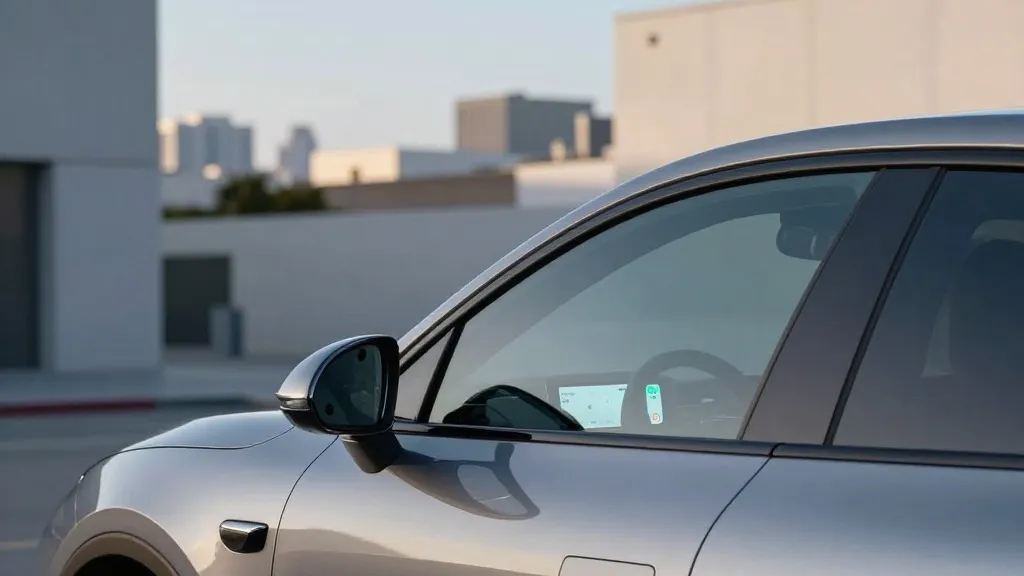
Tesla executives have confirmed that the first customer deliveries of the Cybercab are targeted for completion by the close of this year, marking the start of a new era for private ownership of autonomous vehicles.
By Hassan Lawson ·
The number 2026 has become the defining marker for one of the most anticipated automotive products of the decade. During the company’s third-quarter earnings call held on October 21, Tesla leadership provided a specific timeframe for when the public will begin receiving these vehicles. This announcement serves to close a period of uncertainty regarding the immediate availability of the company’s newest autonomous model.
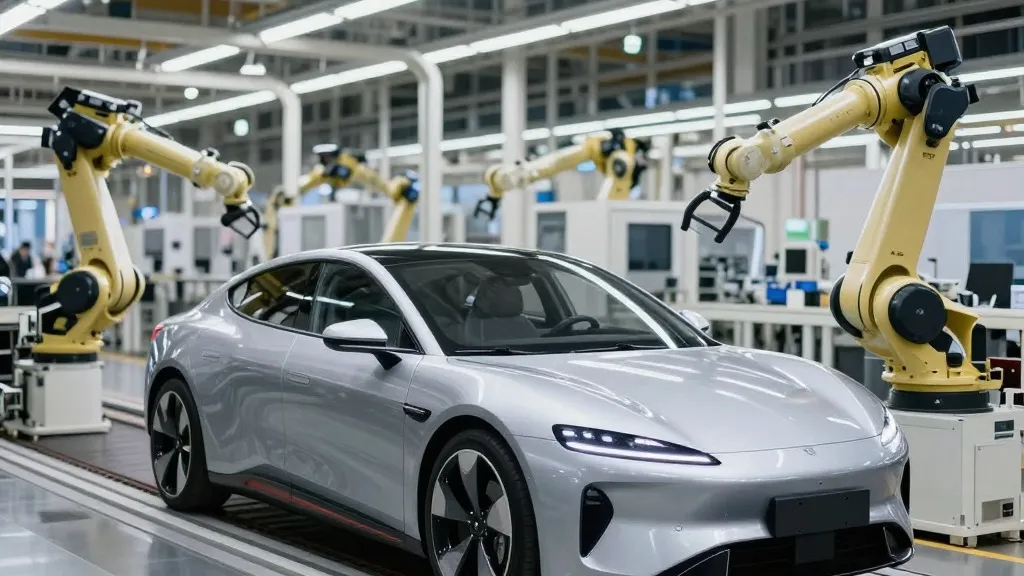
Lars Moravy, the Vice President of Engineering, stated that the company is working toward a goal of delivering Cybercab units to customers before the end of the current year. He confirmed that production is actively taking place at the Gigafactory in Texas. However, he clarified that every unit currently rolling off the assembly line is being directed into Tesla’s own internal Robotaxi fleet rather than being sold to private buyers. This strategy allows the company to test its systems in real-world conditions under its direct operational control.
Moravy elaborated on the transition from fleet use to private ownership. As the operation scales, Tesla intends to deliver fully designed autonomous vehicles to the public. The Cybercab will be the first of its kind to reach this stage. He noted that initial deliveries to private customers will be modest in scale. This cautious approach is designed to help the company gain experience in several areas, including delivery logistics, ownership models, fleet management, and the operation of autonomous vehicles outside of Tesla’s direct supervision.
CEO Elon Musk reinforced the notion that private sales will remain limited for the foreseeable future. He described the Cybercab primarily as a transport-as-a-service offering rather than a traditional personal vehicle like the Model 3, Model Y, or the upcoming Roadster. Musk emphasized that the vast majority of Cybercab units will remain owned by Tesla and operated as part of a shared mobility network, rather than being purchased by individual consumers for personal use.
The vehicle itself is a two-seater design that features no steering wheel or pedals. It relies entirely on Tesla’s Full Self-Driving software suite. Production of the Cybercab has been underway since February of this year. In early September, the company began launching rides to the public using early production units within its Robotaxi service. Tesla has previously indicated that it aims to price the Cybercab at approximately $30,000 when it becomes available for purchase.
While the timeline for customer deliveries is now set, there are still technical and regulatory hurdles to overcome. Ashok Elluswamy, Tesla’s Head of AI, indicated during the earnings call that unsupervised Full Self-Driving is expected to ship to consumer cars during the second quarter of 2027. This suggests that while the hardware will be delivered by the end of 2026, the full autonomous capability for private owners may arrive in the following year.
Early buyers or fleet operators may find that their vehicles have geographically restricted autonomous operation. This limitation is largely due to the pace of regulatory agencies approving the technology for wider use. The company acknowledges that these external factors play a significant role in how quickly the autonomous features can be unlocked for the general public.
The shift from a purely fleet-based model to one that includes private ownership represents a significant strategic change for Tesla. The Cybercab’s introduction as a purpose-built autonomous vehicle marks a departure from its existing lineup of driver-controlled cars. By prioritizing its own Robotaxi fleet first, Tesla ensures that it has ample data and operational experience before handing over the keys to private customers.
The confirmation of an end-of-year delivery target provides a clear benchmark for investors and consumers alike. It signals that the company believes it has sufficiently resolved the engineering and safety challenges required to release the vehicle. As production ramps up at Gigafactory Texas, the focus will now shift to the logistics of transferring these advanced machines from the factory floor to private garages, a process that will serve as a critical test for Tesla’s next phase of growth.
Source: Teslarati · original report published
More Business · Scam Watch · Report a business · Got a Story?