Federal Rules Mandate Cyan Lights
Regulators aim to standardize autonomous vehicle signaling and remove legacy hardware requirements to accelerate market deployment.
By Hassan Lawson ·
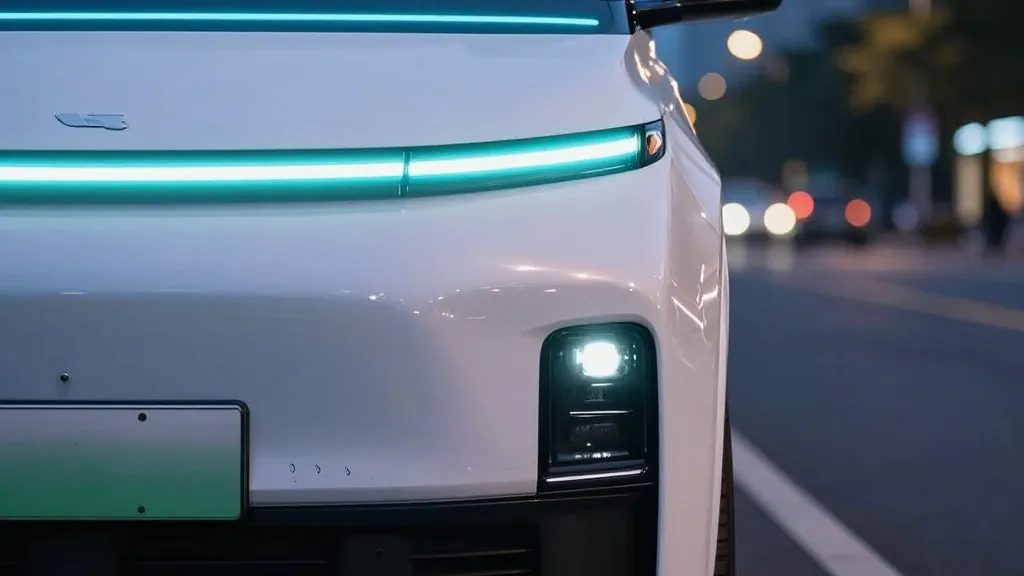
Federal regulators are seeking to define a distinct visual identity for the driverless vehicle market by proposing a specific blue-green hue for marker lights. This move marks a decisive shift in how the National Highway Traffic Safety Administration (NHTSA) approaches the intersection of autonomous technology and existing safety standards. The agency has released proposed changes to Federal Motor Vehicle Safety Standard No. 108, rewriting the rules to accommodate vehicles that operate without human intervention. The primary goal is to eliminate regulatory friction while establishing a uniform method for these machines to communicate their status to the surrounding traffic environment.
The central figure in this proposal is the color cyan. NHTSA argues that the current automotive lighting palette is already saturated with red, amber, white, and flashing blue or red signals used for brakes, turn indicators, headlights, and emergency services. By introducing a cyan-colored marker lamp, the agency believes it can fill a visual gap without causing confusion for law enforcement or other road users. The light would serve as a clear and consistent indicator that an automated driving system, rather than a human, is currently operating the vehicle.
The financial implications of this standardization are significant for major industry players. The proposal aims to create a national framework that operators such as Waymo, Nuro, and Zoox, along with automakers including General Motors and Mercedes-Benz, can adopt uniformly. While the use of cyan lights would remain optional for manufacturers, the federal standards would dictate their color, brightness, and placement. This approach prevents a fragmented market where different companies use varying colors and signal patterns, ensuring that any automaker choosing to implement the feature does so through a consistent, legal setup.
There is existing precedent for this specific color choice in the industry. Mercedes-Benz previously secured state-level approval to use turquoise lights on its Level 3 Drive Pilot vehicles. Although the automaker has since pivoted to a Level 2++ system and moved away from that specific implementation, the regulatory interest in the hue remains. NHTSA’s proposal seeks to formalize this concept at the federal level, providing a stable foundation for future autonomous hardware development and reducing the need for case-by-case state approvals.
Beyond adding new signals, the proposed rule seeks to remove legacy requirements that are physically incompatible with driverless designs. Current regulations mandate the presence of physical hazard switches, manual beam shifters, and turn levers inside the vehicle. NHTSA proposes to eliminate these mandates, recognizing that a vehicle without a human driver does not require manual mechanical controls. The agency is also updating the 12.8-volt testing standard to allow automakers to design around modern LED architectures without facing unnecessary administrative hurdles.
Further simplification includes reconsidering the positional requirements for high-beam and low-beam lights. Under current rules, specific placement is dictated, but NHTSA is considering removing these restrictions to offer more design flexibility. These changes are part of a broader Department of Transportation initiative to streamline the deployment of autonomous vehicles. The overarching objective is to make it easier for manufacturers to build cars that lack traditional controls such as steering wheels and pedals, which are intended for human operation.
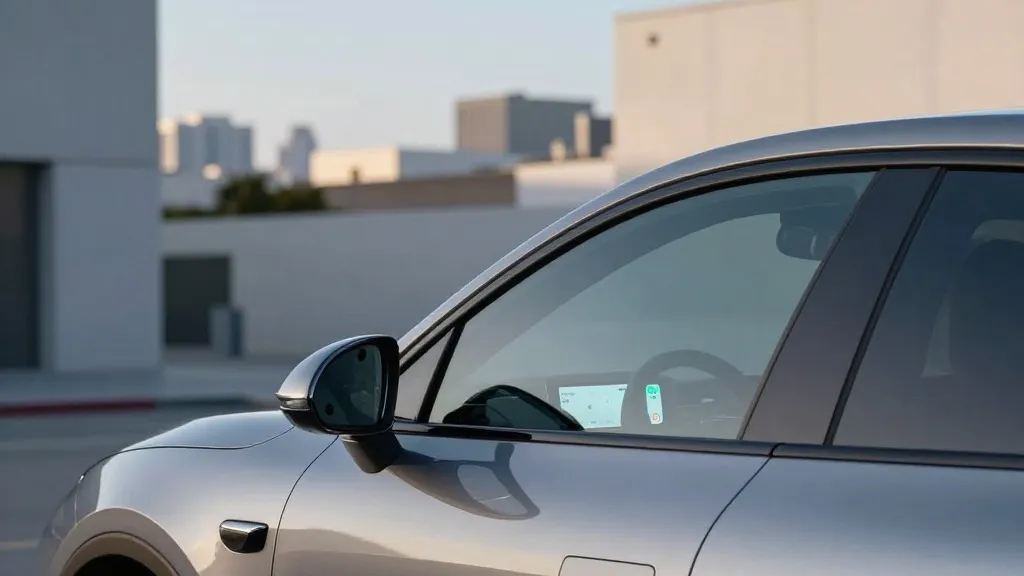
However, the regulatory landscape remains complex as the agency balances streamlining with enforcement. Last month, NHTSA initiated an audit query into the Tesla Cybercab to examine the technical data and processes used during its certification. This inquiry highlights the tension between new flexible rules and existing requirements. The specific issue at hand is the Cybercab’s lack of design features such as sideview mirrors, pedals, and a steering wheel, which are currently required under the Federal Motor Vehicle Safety Standard.
For the market, this proposal represents a critical step toward clarity. By defining the visual language of autonomous vehicles and removing obsolete hardware mandates, the federal government is reducing the cost and complexity of bringing driverless technology to the roads. The focus is now on whether the proposed cyan standard will gain sufficient industry support to become the de facto norm, potentially reshaping the aesthetic and functional design of the next generation of commercial vehicles.
Source: The Verge · original report published
More Business · Scam Watch · Report a business · Got a Story?