Rubio invites Cubans to secret CIA talks while Trump orders 50-yard naval stop
The Secretary of State called for a discrete partnership with the agency, a move Havana mocked, as the President detailed a plan for warships to halt near the island coast.
By Hassan Lawson ·
US Secretary of State Marco Rubio has called on Cubans who desire political change to establish a private relationship with the Central Intelligence Agency. In a social media post released on Friday, Rubio addressed citizens seeking to create positive change, urging them to act because the current moment is the time to do so. He pointed to corruption and the privileged lives of a few as reasons to seize the opportunity. The post specifically encouraged a partnership with the CIA, a term that appeared in the text as discrete rather than discreet, suggesting a potential typo for the word meaning secret.
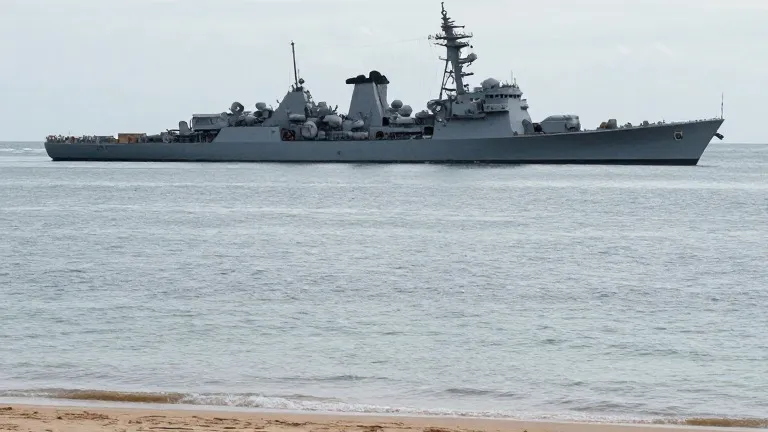
Rubio’s message followed a rally in south Florida where President Donald Trump revived a naval plan for Cuba. Speaking to supporters of local candidates days before midterm elections, Trump responded to a question about the island nation. He stated that American warships returning from the Iran war would make a stopover near the Cuban coast. One ship would stop approximately 50 yards from the shore. The crew would raise their hands, and Rubio would then be sent to finalize a deal. Trump first proposed this idea earlier this year but had not mentioned it in recent months.
The President linked the naval maneuver to the ongoing conflict in Iran. He told reporters that previous presidents had considered intervening in Cuba for decades, but he believed he would be the one to execute the plan. Trump has long predicted that the Iran war will wind down, at which point he suggested Cuba would be next for intervention. In May, both Trump and Rubio raised the prospect of military action. That threat gained weight after the administration announced criminal charges against former Cuban leader Raul Castro. Rubio described Cuba as a long-standing national security threat due to its ties to US adversaries, though he said the administration preferred a peaceful resolution.
Havana responded to the Friday announcement with criticism. Cuban deputy foreign minister Carlos Fernandez de Cossio wrote on X that the US was resorting to public recruitment for the CIA. He questioned the desperation within the agency that would force it to sell its services like a tube of toothpaste. This public exchange continues a pattern of mixed diplomatic signals. In a September 29 interview with Fox News, Rubio stated that Cuba had already fallen. He described the country as lacking a functional economy and being run by people preaching a revolution that had been dead for 20 years. He did not mention any CIA operation in that interview.
Diplomatic efforts between the two nations have been uneven in recent months. Senior aides met with Cuban officials to explore better relations, but the US side left unimpressed. Following those meetings, the administration imposed more sanctions. At the United Nations General Assembly last month, Trump said Rubio was deep into negotiations with Cuba. Days later, he told reporters he expected the two countries would make a deal and did not think the military would be needed. However, earlier this week, the governments clashed at the UN. Washington sought to build opposition to an upcoming annual vote condemning the US economic embargo.
Cuba has faced an economic and energy crisis since 2020. The country’s gross domestic product has shrunk. Its 10 million residents have dealt with blackouts, food shortages, and inflation. Waves of protests have occurred during this period. Hundreds of thousands of Cubans have emigrated, with many moving to the United States. The next step in the diplomatic process involves the upcoming UN vote on the embargo, where Washington aims to reduce opposition to its economic blockade.
The timeline of these developments includes the May announcement of charges against Raul Castro, the September 29 interview, and the recent UN General Assembly speech. The naval stopover plan is scheduled for implementation as warships return from the Iran conflict. The CIA partnership proposed by Rubio is intended to be a discrete channel for communication with Cubans seeking change.
Source: The Guardian