Senate Math: 35 Seats, 13 Battles, and the Path to Majority
Democrats need a net gain of four seats to reclaim control of the upper chamber, facing a Republican money advantage and new redistricting maps in key states.
By Alexander Novak ·
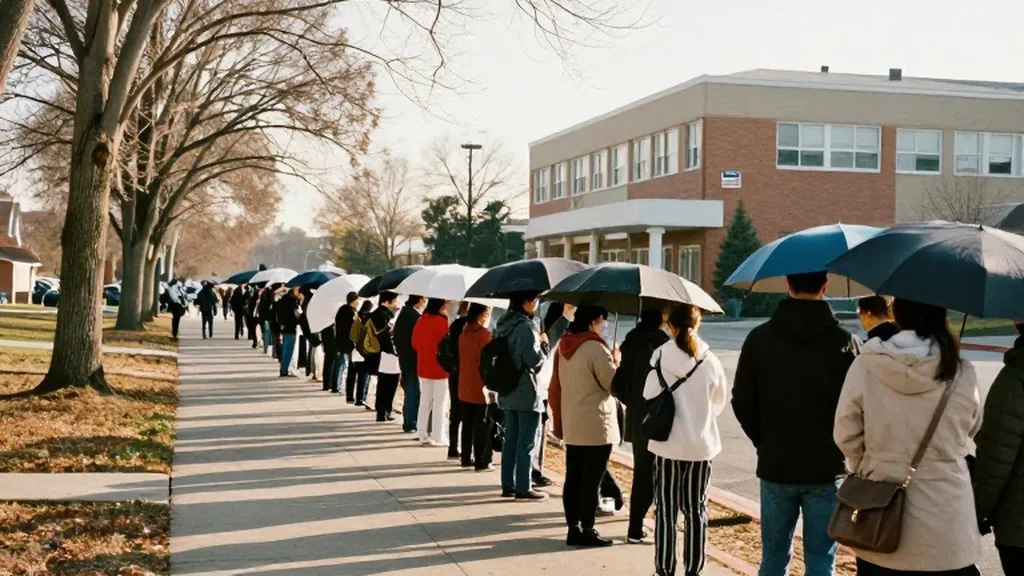
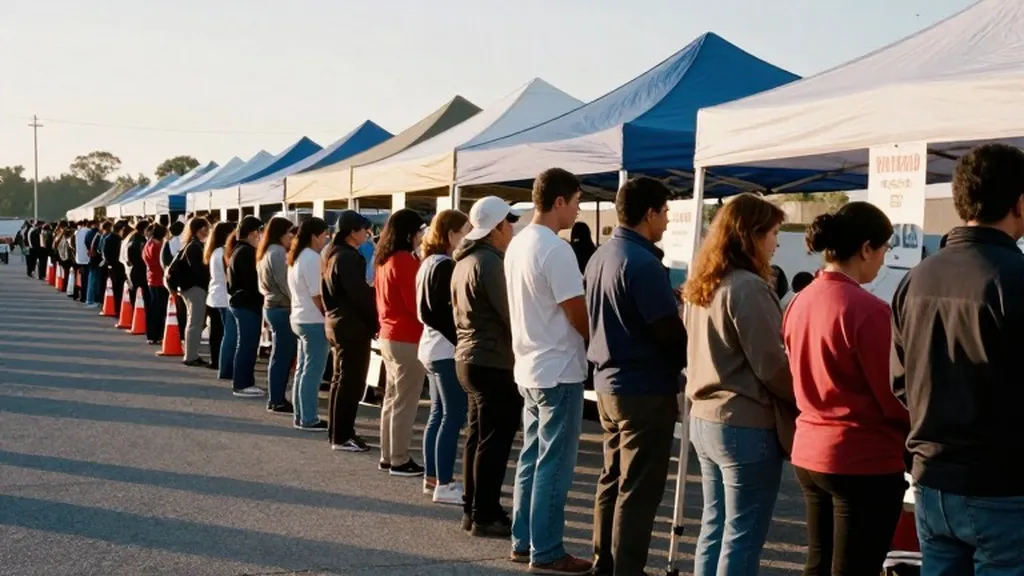
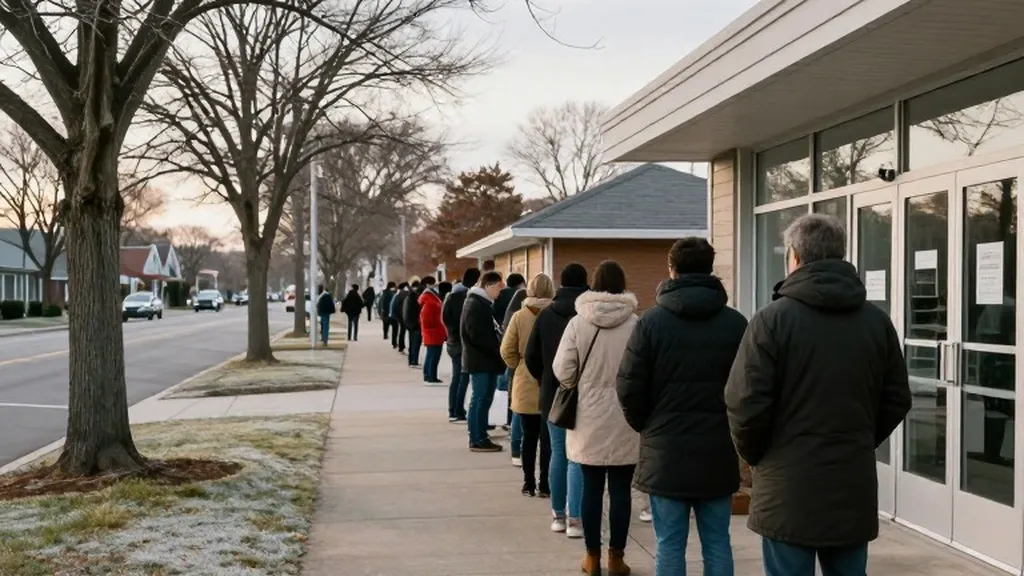
Voters across the nation are heading to the polls on Tuesday, November 3, 2026, to decide the balance of power in the United States Senate. Thirty-five seats are up for grabs in this midterm election, which occurs halfway through President Donald Trump's second term. The outcome will determine which party holds the gavel in the upper chamber for the president's final two years in office. The Associated Press describes this contest as a referendum on the current administration, with voters grappling with high prices and an unpopular war with Iran. The stakes are high for both parties, as the results will shape the legislative agenda and oversight capabilities for the rest of the term.
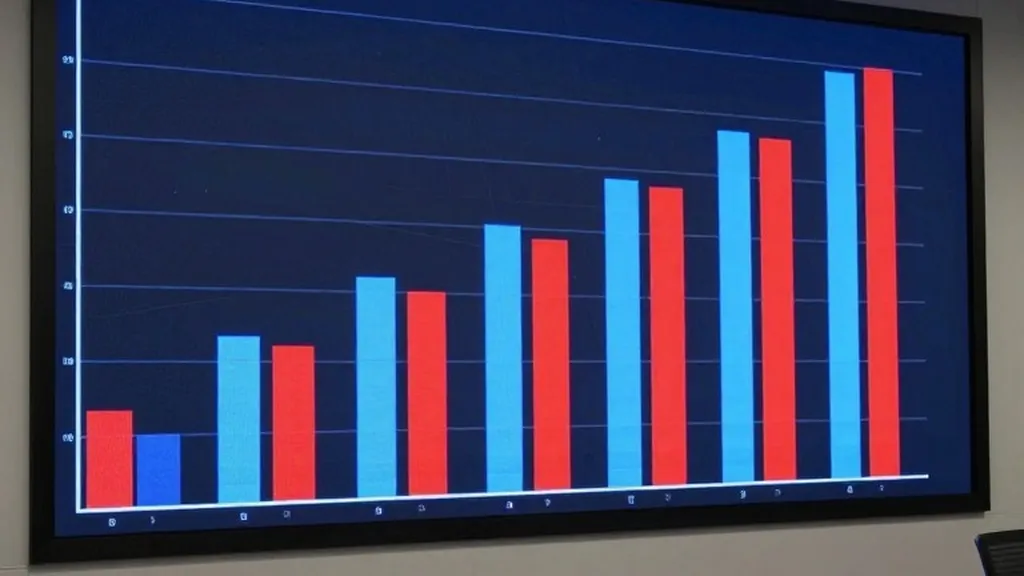
The Senate currently holds a composition of 53 seats for Republicans and 45 for Democrats, with two independents who caucus with the Democrats. To achieve a majority, Democrats must secure a net gain of four seats. In contrast, Republicans can afford to lose only two seats and still maintain control. This mathematical reality creates a tight race across the country, where every vote in the battleground states carries significant weight. The Associated Press notes that one or two seats could tip the balance in either chamber, making the outcome uncertain until the polls close and the votes are counted.
Ballotpedia identifies thirteen specific Senate races as battlegrounds, where the outcome is considered competitive. These races include incumbents and open seats across various states with differing political leanings. In Alaska, Republican incumbent Dan Sullivan faces a challenge in a state that voted for Trump by 13.1 points in 2024. In Florida, a special election is being held to fill the seat previously held by Marco Rubio, with Republican Ashley Moody as the candidate. Georgia is another critical race, where Democratic incumbent Jon Ossoff defends his seat in a state that Trump won by 2.2 points. The Associated Press highlights the matchup between Ossoff and Republican Representative Mike Collins as a key contest to watch.
Several open seats are also up for grabs due to retirements. In Iowa, Republican Joni Ernst is retiring, leaving the seat open in a state where Trump won by 13.2 points. In Michigan, Democratic Gary Peters is retiring, creating an open seat in a state where Trump won by a narrow 1.4 points. The Associated Press notes that in Michigan, Democratic Abdul El-Sayed is facing Republican former Representative Mike Rogers, with El-Sayed's former primary opponent Haley Stevens endorsing Rogers on Sunday. In Montana, Republican Steve Daines is retiring, leaving an open seat in a state with a large Republican margin. Nebraska also has an open seat following the retirement of Republican Pete Ricketts, who served in a state where Trump won by 20.3 points.
New Hampshire is another open seat due to the retirement of Democratic Jeanne Shaheen. The Associated Press reports that Democratic Representative Chris Pappas is facing former Republican Senator John E. Sununu in this race. North Carolina is also an open seat, with Republican Thom Tillis retiring after clashing with Trump. The Associated Press identifies Democratic former Governor Roy Cooper as the candidate facing former Republican National Committee chair Michael Whatley. In Ohio, a special election is being held to fill the seat previously held by JD Vance. Republican incumbent Jon Husted is facing Democratic former Senator Sherrod Brown in this contest. Texas is also on the list of battlegrounds, with Republican Attorney General Ken Paxton facing Democrat James Talarico. The Associated Press notes that Trump backed Paxton over Senator John Cornyn in the primary.
Maine is a particularly critical race, as it is the only state rated a toss-up by all four major polling organizations. Republican incumbent Susan Collins is facing Democratic former state Senate President Troy Jackson. The Associated Press notes that economic strain and tariffs have made the state competitive. Kansas is another state where the race is considered competitive, with Republican incumbent Roger Marshall facing a challenge in a reliably Republican state. The Associated Press notes that Kansas has become central to the fight for Senate control. Alaska is also seen as a competitive race, with ratings varying between toss-up and lean Democratic. Georgia is rated as lean to likely Democratic by some organizations, while Iowa is rated as toss-up or tilt Republican.
Republicans are bracing to lose the House but are fighting hard to hold the Senate. The Associated Press reports that Democratic committees have been cautious but optimistic, while Republican committees have focused on turnout. RNC Chairman Joe Gruters stated that everything depends on turnout, emphasizing the importance of mobilizing voters. DCCC Chair Representative Suzan DelBene noted that the American people are angry and want change. The Associated Press highlights that Republicans have a significant advantage in fundraising, having outraised and outspent Democratic committees at the committee level. This spending was heavily concentrated in states and districts that Trump won in 2024, with more than $850 million spent in areas where he won by 10 points or more.
New redistricting maps are in effect in six states, including California, Florida, Missouri, North Carolina, Tennessee, and Texas. Ohio is also using a new map. These changes may alter the dynamics of the races, although the Associated Press notes that new districts may not vote as drawn. The Associated Press reports that Democrats are facing obstacles from the Republican money edge and redistricting efforts. However, at the candidate level, Democrats have outraised their opponents, providing them with a financial resource for their campaigns. The Associated Press notes that the 2026 elections are likely to be the most expensive in history, reflecting the high stakes and intense competition for control of Congress.